Soframax Cream (Neomycin) | Used for Treating Bacterial Wounds and Skin Infection Management
Soframax Cream contains Neomycin, a broad-spectrum topical aminoglycoside antibiotic used for the effective treatment and prevention of bacterial skin infections, minor wounds, cuts, abrasions, burns, and infected skin conditions. It effectively combats infections by inhibiting bacterial protein synthesis, thereby preventing the growth of infection-causing bacteria.


Product Overview
Soframax Cream (Neomycin) is a potent topical antibiotic formulation engineered to eliminate bacterial infections of the skin such as in infected wounds, burns, or dermatological conditions like impetigo. It contains Neomycin, a well-regarded aminoglycoside antibiotic that targets a broad spectrum of aerobic Gram-positive and Gram-negative bacteria. By providing a direct antimicrobial barrier, Soframax prevents the spread of infection and supports the skin's natural healing process. Its smooth, non-greasy texture ensures easy application and absorption into the affected tissue without leaving a heavy residue.
Product Composition
- Active Ingredient: Neomycin Sulphate (0.5% w/w)
- Base: Water-washable, non-staining cream base.
- Excipients: White soft paraffin, cetostearyl alcohol, liquid paraffin, and preservatives.
- Formulation: Smooth, white topical cream.
- Action Category: Aminoglycoside Antibiotic.
Product Specifications
| Feature | Description |
| Therapeutic Class | Topical Antibacterial |
| Route of Administration | External / Topical |
| Bacterial Target | Aerobic Gram-negative and some Gram-positive bacteria |
| Primary Use | Prophylaxis and treatment of skin infections |
| Absorption | Negligible through intact skin |
Mechanism of Action
- Ribosomal Binding: Neomycin works by irreversibly binding to the 30S subunit of the bacterial ribosome.
- Protein Synthesis Disruption: This binding interferes with the initiation of protein synthesis and leads to the misreading of the genetic code.
- Bactericidal Effect: The production of defective bacterial proteins causes the eventual rupture of the bacterial cell wall, resulting in the death of the microorganism.
- Inhibitory Action: It effectively inhibits the multiplication of common skin pathogens like Staphylococci and various Gram-negative bacilli, preventing the infection from becoming systemic.
Key Benefits
- Broad-Spectrum Efficacy: Highly effective against a wide variety of bacteria that commonly infect the skin and soft tissues.
- Fast-Acting Relief: Rapidly reduces bacterial load, leading to a decrease in inflammation, redness, and pus formation.
- Non-Greasy Formula: The cream base is easy to apply over large areas and can be easily washed off with water.
- Prevents Secondary Infection: Ideal for application on minor cuts, scrapes, and burns to ensure that environmental bacteria do not complicate the healing process.
- Targeted Delivery: Delivers a high concentration of the antibiotic precisely where it is needed with minimal risk of internal side effects.
Precautions
General Precautions
| Aspect | Precaution |
|---|---|
| External Use Only | Apply only on affected skin; avoid contact with eyes, mouth, and mucous membranes |
| Allergy Risk | Do not use if allergic to Neomycin or other aminoglycoside antibiotics |
| Broken Skin | Safe for minor cuts/wounds, but avoid deep or extensive open wounds unless prescribed |
| Overuse | Avoid prolonged or unnecessary use to reduce risk of resistance or sensitivity |
| Sensitive Areas | Use cautiously on large or delicate skin areas |
Key Safety Guidelines
- Apply a thin layer only as directed by a healthcare professional
- Wash hands before and after application
- Do not cover with tight or occlusive dressings unless advised by a doctor
- Use only for bacterial infections, not for fungal or viral conditions
- Store in a cool, dry place away from sunlight and moisture
- Keep out of reach of children
Important Note
- Discontinue use if severe irritation, rash, or allergic reaction occurs
- Consult a doctor if symptoms do not improve within a few days
- Avoid unnecessary or long-term use to prevent antibiotic resistance and skin sensitivity
Usage
Usage Guidelines
| Step | Instruction |
| Cleaning | Gently wash the affected area with mild soap and water to remove debris or crusts. |
| Drying | Pat the skin completely dry with a clean towel before applying the medication. |
| Application | Apply a thin film of the cream to the infected site using a clean fingertip or applicator. |
| Coverage | Leave the area open to the air or cover with a sterile gauze bandage as advised. |
| Hand Hygiene | Wash hands thoroughly before and after application to prevent the spread of bacteria. |
Dosage & Administration Soframax Cream should be used strictly for external bacterial infections as follows:
Apply the cream to the affected area one to three times daily.
Consistent use is essential; complete the full course even if the infection appears to have cleared early.
Do not apply the cream over extensive body surfaces or on deep, open wounds without professional guidance.
Avoid contact with the eyes and the inside of the nose or mouth; if contact occurs, flush with water immediately.
If the skin condition does not improve within 5 to 7 days, or if a localized rash or irritation develops, discontinue use.
Prolonged use should be avoided to prevent the development of antibiotic-resistant bacteria or secondary fungal infections.
Keep the tube tightly closed and store it at room temperature, away from excessive heat.
Uses
Primary Skin Infections: Effectively treats bacterial conditions such as impetigo (red sores), folliculitis, and ecthyma.
Infected Wounds: Manages bacterial contamination in minor cuts, abrasions, lacerations, and skin scrapes.
Infected Dermatitis: Treats secondary bacterial infections that occur in pre-existing conditions like eczema, seborrheic dermatitis, or psoriasis.
Burn Management: Prevents and treats infections in minor burns and scalds to ensure clean tissue regeneration.
Prophylactic Care: Used on minor surgical incisions or skin grafts to protect against localized bacterial growth.
Ulcer Treatment: Aids in the management of infected skin ulcers, including pressure sores and leg ulcers.
Side effects
Common Side Effects
- Mild skin irritation at the application site
- Redness or slight itching
- Temporary burning or stinging sensation
- Dryness of the skin
Less Common Side Effects
- Skin rash or allergic reaction
- Contact dermatitis (skin inflammation due to sensitivity)
- Increased itching in sensitive individuals
- Mild swelling or discomfort
Rare Side Effects
| Rare Side Effect | Description |
|---|---|
| Severe Allergic Reaction | Rash, hives, swelling, or intense itching requiring discontinuation |
| Worsening Irritation | Persistent redness or burning even after stopping use |
| Hypersensitivity Reaction | Strong allergic response to Neomycin |
| Secondary Infection | Rare worsening if overused or improperly used |
| Antibiotic Resistance Effects | Reduced effectiveness with prolonged or unnecessary use |
Safety Note
- Discontinue use if severe irritation or allergic reaction occurs
- Consult a doctor if symptoms worsen or do not improve within a few days
- Use only as prescribed to ensure safe and effective treatment of bacterial skin infections
FAQs
Q: What is Soframax Cream used for?
A: Soframax Cream is used for the treatment and prevention of bacterial skin infections, minor wounds, cuts, abrasions, burns, and infected skin conditions.
Q: How does Soframax Cream work?
A: Soframax Cream works by binding to the bacterial ribosome and inhibiting protein synthesis, which prevents bacteria from producing the essential proteins needed for their growth and survival.
Q: How should I apply Soframax Cream?
A: Clean and dry the affected area thoroughly before application. Apply a thin layer of Soframax Cream directly to the wound or affected skin and cover with a sterile dressing if required. Use once or twice daily as directed by your doctor. Wash hands thoroughly before and after application to maintain proper wound care hygiene.
Q: How is Soframax Cream different from Soframycin Cream?
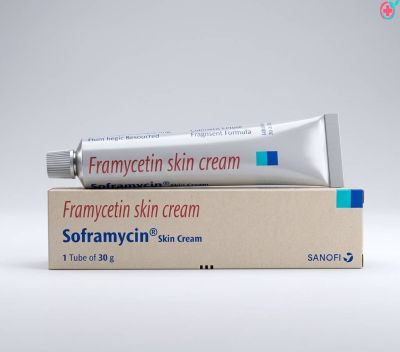
A: Both Soframax Cream and Soframycin Cream are broad-spectrum topical aminoglycoside antibiotics used for wound care and bacterial skin infections. Soframycin Cream contains Framycetin Sulphate while Soframax Cream contains Neomycin as its active ingredient. Both belong to the same antibiotic class but may differ in their specific antibacterial spectrum and formulation characteristics.
Q: What types of wounds can Soframax Cream be used for?
A: Soframax Cream is suitable for a wide range of minor wounds and skin conditions including cuts, abrasions, minor burns, infected wounds, skin ulcers, post-surgical wounds, and superficial bacterial skin infections. Consult your doctor for appropriate use based on the type and severity of the wound or infection.
Q: How long does it take for Soframax Cream to show results?
A: Most users notice a reduction in redness, swelling, and signs of infection within the first few days of regular application. Complete healing depends on the type and severity of the wound. Always complete the full prescribed course of treatment even if the wound appears to be healing well to prevent recurrence of bacterial infection.
Q: How long should I use Soframax Cream?
A: The duration of treatment depends on the type and severity of the wound or infection. Soframax Cream is generally used for 5 to 7 days for minor infections and wounds. Always follow your doctor's instructions regarding the duration of use and avoid extending the treatment course without medical advice to prevent the risk of antibiotic resistance.
Q: Can Soframax Cream cause allergic reactions?
A: Yes, Neomycin is one of the more common causes of allergic contact dermatitis among topical antibiotics. Some individuals may develop redness, itching, swelling, or a rash at the application site. If you experience any signs of an allergic reaction, discontinue use immediately and consult your doctor for an alternative wound care treatment.
Q: Can Soframax Cream cause antibiotic resistance?
A: Prolonged or unsupervised use of topical antibiotics including Neomycin may contribute to antibiotic resistance over time. Always use Soframax Cream strictly for the duration and frequency prescribed by your doctor and avoid self-medicating or extending the treatment course without proper medical guidance.
Q: Is Soframax Cream safe for sensitive skin?
A: Soframax Cream should be used with caution on sensitive skin as Neomycin has a relatively higher potential for causing allergic contact sensitisation compared to other topical antibiotics. Perform a patch test before full application if you have sensitive or reactive skin and consult your dermatologist if any irritation or allergic reaction occurs.
Q: Can Soframax Cream be used on the face?
A: Soframax Cream can be used on facial wounds and abrasions under medical guidance. Avoid applying near the eyes, mouth, and mucous membranes. For facial infections or wounds, consult a dermatologist or doctor to ensure appropriate and safe use of topical antibiotic treatment on sensitive facial skin.
Q: Can children use Soframax Cream?
A: Soframax Cream may be used on children for minor wound care and superficial skin infections under the supervision and guidance of a paediatrician or doctor. Always consult a healthcare professional before applying any topical antibiotic on children to ensure safe and appropriate use based on the child's age, skin type, and condition.
Q: Is Soframax Cream safe during pregnancy and breastfeeding?
A: Pregnant and breastfeeding women should consult their doctor before using Soframax Cream. While topical Neomycin has minimal systemic absorption, medical guidance is always recommended before starting any topical antibiotic treatment during pregnancy or lactation to ensure the safety of both mother and baby.
Q: Can I use Soframax Cream with other wound care products?
A: Consult your doctor before combining Soframax Cream with other topical wound care agents or antiseptics. Some products may interact with Neomycin or reduce its antibacterial effectiveness. Always follow a wound care plan recommended by a qualified healthcare professional for safe and effective wound management.
| Manufacturer | : | Leeford Pharma, India |
| Trade Name | : | |
| Generic Search | : | Neomycin |
| Strength | : | 15g |
Certified Content

Dr. Priya Nair
Clinical Pharmacist & Senior Drug Information Specialist | 9 years
Pharm.D. (Doctor of Pharmacy)
Latest Products