Soevate Ointment Cream (Calcitriol) – Used for Plaque Psoriasis and Scaly Skin Patches
Soevate Ointment Cream contains Calcitriol, an active form of vitamin D3 used topically to help manage plaque psoriasis. It helps regulate the growth and development of skin cells, reducing the thick, scaly patches associated with this skin condition.


Product Overview
Soevate Ointment Cream (Calcitriol) is a topical vitamin D analogue used to manage mild to moderate plaque psoriasis. Psoriasis is a long-term skin condition in which skin cells grow and build up faster than usual. This can lead to raised, red, dry and scaly patches that may cause itching or discomfort.
Calcitriol is the active form of vitamin D. When applied to affected skin, it helps regulate the growth and development of skin cells. It also helps reduce excessive activity of certain immune cells involved in psoriasis. These actions can help reduce the buildup of skin cells and improve the appearance of scaly patches.
The ointment is applied directly to the affected areas of skin. It is intended for external use and should be used according to the instructions provided by a healthcare professional.
Key Points
- Contains Calcitriol, an active form of vitamin D.
- Belongs to the vitamin D analogue group of medicines.
- Used topically to manage mild to moderate plaque psoriasis.
- Helps regulate excessive skin-cell growth.
- Helps reduce the buildup of thick and scaly skin patches.
- Applied directly to affected skin areas.
- May cause local skin discomfort, itching or irritation.
- Should be used according to medical advice.
Product Details
| Details | Information |
| Product Name | Soevate Ointment Cream |
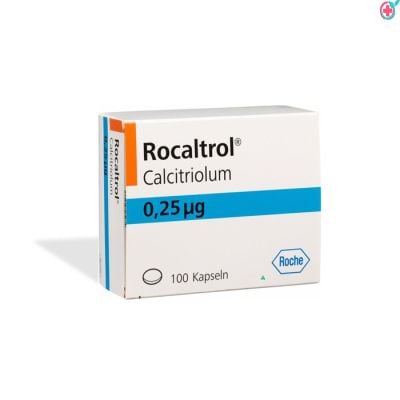
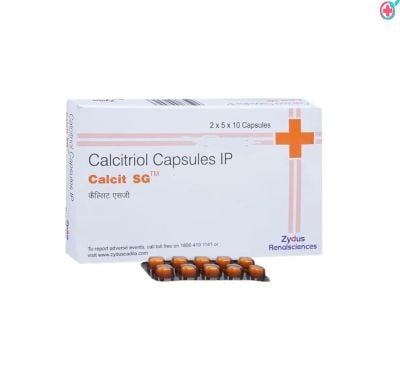
| Active Ingredient | Calcitriol |
| Strength | 3 mcg/g (0.0003% w/w) |
| Medicine Class | Vitamin D Analogue |
| Dosage Form | Ointment |
| Main Use | Plaque Psoriasis |
How Does Soevate Ointment Work?
- Regulates Skin Cell Growth: Calcitriol helps control the excessive growth of skin cells associated with plaque psoriasis.
- Supports Normal Skin Development: It helps regulate the process through which skin cells grow and mature.
- Reduces Immune Cell Activity: It helps reduce certain immune responses in the skin that contribute to psoriasis.
- Helps Reduce Scaling: By controlling excess skin-cell buildup, it can help improve thick and scaly patches.
Precaution
1. Use as Prescribed
Apply the ointment only in the amount and for the duration recommended by your healthcare professional.
2. Avoid Sensitive Areas
Do not apply it to your eyes, lips or facial skin unless your doctor specifically instructs you to do so.
3. Calcium Level Concerns
Inform your doctor if you have high calcium levels or a condition affecting calcium metabolism.
4. Vitamin D Supplements
Tell your doctor if you take vitamin D supplements or other vitamin D medicines.
5. Kidney Conditions
Inform your healthcare professional if you have kidney problems or a history of kidney stones.
6. Pregnancy and Breastfeeding
Ask your doctor before using this ointment during pregnancy or breastfeeding.
7. Avoid Excessive Application
Applying more than the recommended amount may increase absorption and the risk of side effects.
8. Children
Use in children only under appropriate medical supervision and according to the product's approved age instructions.
Usage
Use the ointment exactly as directed by your doctor.
Clean and gently dry the affected skin before application.
Apply a thin layer to the affected areas as instructed.
Wash your hands after applying, unless your hands are the treated area.
Avoid covering the treated area with airtight dressings unless advised by your doctor.
Do not apply it to the eyes, lips, face or other sensitive areas unless specifically directed.
Uses
Soevate Ointment Cream containing Calcitriol may be prescribed for:
Plaque Psoriasis: Helps manage mild to moderate plaque psoriasis by regulating excessive skin-cell growth.
Thick, Scaly Skin Patches: Helps reduce the buildup of skin cells that form raised and scaly patches.
Psoriasis-Related Skin Discomfort: May help improve symptoms associated with affected skin, such as scaling and irritation.
Its established topical use is plaque psoriasis. It should not be presented as an oral treatment for calcium deficiency or osteoporosis.
Side Effects
Common Side Effects
Some people may experience side effects while using Soevate Ointment Cream, including:
Skin irritation
Itching at the application site
Redness
Dryness
Burning or discomfort
These effects may be mild, but consult a healthcare professional if they continue or become troublesome.
Serious Side Effects
Although less common, seek medical advice if you notice:
Severe skin irritation or an allergic reaction.
Unusual thirst or frequent urination.
Nausea, vomiting or unusual weakness.
FAQs
1. What is Soevate Ointment Cream used for?
Soevate Ointment Cream containing Calcitriol is used to manage plaque psoriasis, a skin condition that causes raised, red and scaly patches.
2. What is the active ingredient in Soevate Ointment Cream?
The active ingredient is Calcitriol, a vitamin D analogue that helps regulate skin-cell growth.
3. How does Soevate Ointment Cream work?
It helps control excessive skin-cell growth and reduces certain immune-cell activity involved in psoriasis.
4. Can Soevate Ointment Cream be used for eczema?
Calcitriol ointment is primarily indicated for plaque psoriasis. It should not be used for eczema unless a healthcare professional specifically recommends it.
5. How often should I apply Soevate Ointment Cream?
The application frequency depends on the product and your doctor's instructions. Follow the directions on your specific medicine's label.
6. Can Soevate Ointment Cream cause skin irritation?
Yes. It may cause itching, redness, dryness or discomfort at the application site.
7. Can I apply Soevate Ointment Cream to my face?
Do not apply it to facial skin unless your doctor specifically advises you to do so.
Interactions
Soevate Ointment Cream contains Calcitriol, a vitamin D analogue. When used on the skin, it may affect calcium metabolism, particularly if excessive amounts are applied or absorption increases. Inform your doctor about all medicines and supplements you use.
1. Thiazide Diuretics
Medicines such as hydrochlorothiazide and chlorthalidone may increase calcium levels in the blood. Using them with calcitriol requires caution because of the potential risk of hypercalcemia.
2. Calcium Supplements
Calcium tablets and other calcium-containing supplements may increase the risk of high calcium levels when used alongside calcitriol.
3. Vitamin D Supplements
High doses of vitamin D may increase the overall vitamin D effect and the risk of hypercalcemia.
4. Other Vitamin D Analogues
Medicines containing calcipotriol, paricalcitol or other vitamin D analogues may increase overall vitamin D exposure. Consult your doctor before combining these treatments.
5. Oral Calcitriol
Using oral calcitriol together with topical calcitriol may increase total exposure and the possibility of changes in calcium levels.
6. Alfacalcidol
Alfacalcidol is converted into an active vitamin D form in the body. Combining it with calcitriol may increase the risk of elevated calcium levels.
7. Digoxin and Other Digitalis Medicines
If calcium levels become too high, the risk of heart rhythm disturbances may increase in people taking digoxin. Medical monitoring may be necessary.
8. Other Topical Psoriasis Treatments
Tell your doctor if you use other medicated creams or ointments for psoriasis. Applying multiple treatments to the same area may affect skin tolerance, and their combined use should be guided by a healthcare professional.
| Manufacturer | : | Glenmark Pharma, India |
| Trade Name | : | Vectical |
| Generic Search | : | Calcitriol |
| Strength | : | 3mcg |
| Availability | : | In stock |
| Delivery Time | : | 12 - 20 Days |
| Free Shipping | : | Free delivery over $250 |
Certified Content

Dr. Priya Nair
Clinical Pharmacist & Senior Drug Information Specialist | 9 years
Pharm.D. (Doctor of Pharmacy)
Latest Products