Pimrolis cream (Pimecrolimus) | Non-Steroid Cream for Eczema, Dermatitis, and Skin Allergies
Pimrolis Cream (Pimecrolimus) is a steroid-free topical medicine used to treat eczema (atopic dermatitis) and skin allergies. It helps reduce redness, itching, and inflammation without the side effects of steroids.


Product Overview
Pimrolis Cream is a specialized topical medication containing Pimecrolimus, a potent non-steroidal calcineurin inhibitor. Pimrolis Cream is specifically developed as a targeted treatment for inflammatory skin conditions, primarily atopic dermatitis (eczema). Unlike traditional corticosteroid treatments, Pimrolis Cream offers a steroid-free alternative that modulates the skin's immune response without the risk of skin thinning (atrophy) or other common steroid-related side effects. The cream is formulated in an emollient-rich base that helps to soothe irritated skin while delivering the active medication directly to the cells responsible for skin inflammation.
Product Composition
- Active Ingredient: Pimecrolimus (1% w/w)
- Emollients: Medium-chain triglycerides and Oleyl alcohol to restore the skin barrier
- Humectants: Propylene Glycol and Glycerin for moisture retention
- Stabilizers: Sodium Cetostearyl Sulfate and Citric Acid
- Preservative: Benzyl Alcohol
- Base: White Soft Paraffin and Stearyl Alcohol
- Solvent: Purified Water
Product Specification
| Feature | Details |
| Drug Class | Topical Calcineurin Inhibitor (TCI) |
| Pharmaceutical Form | Topical Cream |
| Primary Indication | Atopic Dermatitis (Eczema) |
| Steroid Status | 100% Steroid-Free |
| Suitable Areas | Face, neck, and skin folds (intertriginous areas) |
| Texture | Smooth, white, non-greasy cream |
Mechanism of Action
- Calcineurin Inhibition: Pimecrolimus binds with high affinity to the cytosolic protein macrophilin-12, inhibiting the calcium-dependent phosphatase, calcineurin.
- Cytokine Blockade: By inhibiting calcineurin, it prevents the dephosphorylation of the nuclear factor of activated T-cells (NFAT), which blocks the synthesis of inflammatory cytokines such as IL-2, IL-4, and TNF-alpha.
- T-Cell Modulation: It specifically targets and suppresses the activation of T-cells and mast cells in the skin, which are the primary drivers of redness and itching.
- Selective Action: Unlike steroids that affect many cell types, Pimecrolimus has a high degree of selectivity for inflammatory cells, minimizing impact on the skin’s structural integrity.
- Release Inhibition: It prevents the release of inflammatory mediators and enzymes from mast cells after they have been triggered by allergens.
Key Benefits
- Steroid-Free Management: Provides an effective long-term solution for eczema without the risks associated with chronic steroid use.
- Safe for Sensitive Areas: Ideal for use on the face, eyelids, and neck where the skin is thin and prone to damage from other treatments.
- Itch Control: Rapidly reduces the "itch-scratch cycle," providing significant relief from the discomfort of eczema flare-ups.
- Targeted Immune Response: Modulates only the overactive parts of the skin's immune system at the site of application.
- Aesthetic Formulation: The cream is fragrance-free and absorbs quickly, leaving no visible residue on the skin or clothing.
Precautions
General Precautions
| Condition | Guidance |
|---|---|
| Non-steroid immunomodulator | Use only as prescribed for eczema and related skin conditions |
| Skin infections | Do not use on infected (bacterial, viral, or fungal) skin unless treated |
| Sensitive skin | Generally suitable, but monitor for irritation in early use |
| Pregnancy & breastfeeding | Consult a doctor before use |
| Children | Approved for use in children above recommended age only under supervision |
| Long-term use | Use as directed; avoid unnecessary prolonged application |
Application Precautions
- Apply a thin layer only on affected areas
- Wash hands before and after application
- Avoid applying on broken or severely damaged skin
- Do not cover with airtight dressings unless advised by a doctor
- Avoid contact with eyes, nose, and mouth
Skin Safety Precautions
- May cause mild burning or warmth during initial days of use
- Avoid use on actively infected skin lesions
- Do not use for conditions other than prescribed eczema/dermatitis
- Use sunscreen when applying on exposed areas (especially face)
Lifestyle Precautions
- Avoid triggers that worsen eczema (harsh soaps, allergens, stress)
- Use gentle, fragrance-free skincare products
- Do not scratch affected areas to prevent worsening
- Maintain proper skin hydration with moisturizers if advised
When to Consult a Doctor
- If severe irritation, burning, or swelling occurs
- If skin infection develops during treatment
- If no improvement is seen after regular use
- If eczema worsens or spreads unexpectedly
- If unusual skin reactions or sensitivity appear
Usage
Dosage
Pimrolis Cream should be applied in a thin layer to the affected skin areas twice daily. Treatment should begin at the first sign of redness or itching to prevent a full eczema flare-up. The medication should be used for as long as signs and symptoms persist; however, if symptoms do not improve after 6 weeks of treatment, a healthcare professional should re-evaluate the diagnosis. Once the symptoms have cleared, application should be discontinued.
Administration
| Step | Action |
| Preparation | Wash and dry your hands and the affected skin areas before application |
| Application | Apply a small amount of cream and rub it in gently and completely |
| Coverage | Ensure all affected areas are covered, including the face and neck if needed |
| Protection | Avoid bathing, showering, or swimming immediately after application to prevent washing off the cream |
| Moisturizing | Apply emollients or moisturizers only after the Pimrolis Cream has fully absorbed |
| Sun Safety | Minimize or avoid exposure to natural or artificial sunlight (UV lamps/tanning beds) during use |
Uses
Atopic Dermatitis (Eczema): Primary treatment for mild to moderate eczema in patients who cannot use or do not respond to traditional steroid creams.
Facial and Eyelid Dermatitis: Safe for use on sensitive areas of the face and around the eyes where steroids are often restricted.
Flare-up Prevention: Used as a "first-line" intervention at the earliest signs of skin irritation to prevent the development of severe lesions.
Intertriginous Eczema: Effectively treats inflammation in skin folds, such as the armpits, groin, or under the breasts, without causing skin thinning.
Long-term Maintenance: Suitable for intermittent long-term use to control chronic skin sensitivity and maintain clear skin.
Steroid-Sparing Therapy: Used as an alternative to help patients reduce their overall reliance on topical corticosteroids.
Side Effects
Common Side Effects
- Mild burning or warmth at the application site
- Itching or slight irritation
- Redness of the skin
- Temporary stinging sensation after application
Less Common Side Effects
- Headache
- Skin dryness
- Rash or mild flare-up during initial use
- Increased sensitivity of the treated area
- Tingling sensation on application
Serious Side Effects
| Side Effect | Description |
|---|---|
| Severe skin irritation | Persistent burning, redness, or swelling that does not improve |
| Skin infection | Bacterial or viral infection may develop or worsen in affected areas |
| Allergic reaction | Rash, hives, swelling, or severe itching requiring discontinuation |
| Unusual skin changes | Thickening or persistent lesions needing medical review |
Skin Safety Considerations
- May cause temporary irritation especially during early days of use
- Sensitive facial skin may react more noticeably
- Overuse does not improve effectiveness and may increase side effects
When to Stop Use and Consult a Doctor
- If severe burning, swelling, or pain occurs
- If rash or allergic reaction develops
- If eczema worsens or spreads significantly
- If signs of infection appear (pus, increasing redness, warmth)
- If side effects persist or become uncomfortable over time
FAQs
Q: What is Pimrolis Cream?
A: Pimrolis Cream (Pimecrolimus 1%) is a prescription non-steroidal topical medication belonging to the class of topical calcineurin inhibitors (TCIs). It is used to treat mild to moderate atopic dermatitis (eczema) and works by suppressing the overactive immune response in the skin that causes inflammation, redness, and itching.
Q: What is Pimrolis Cream used for?
A: It is used to treat mild to moderate atopic dermatitis (eczema) in adults and children aged 2 years and older who have not responded adequately to other treatments such as topical steroids, or in cases where topical steroids are not advisable. It may also be used off-label for other inflammatory skin conditions such as facial or genital psoriasis and vitiligo, under specialist advice.
Q: How does Pimrolis Cream work?
A: Pimecrolimus binds with high affinity to the protein receptor macrophilin-12 (FKBP-12). This drug-protein complex inhibits calcineurin, a chemical responsible for transmitting inflammatory signals in the skin. As a result, the release of cytokines from T-cells and mast cells is blocked, reducing the allergic immune response that causes eczema symptoms such as redness, swelling, and itching.
Q: How should I apply Pimrolis Cream?
A: Wash and dry your hands before application. Apply a thin layer of the cream to the affected area of skin twice daily and gently rub in until absorbed. Wash your hands after application unless the hands are the area being treated. Avoid bathing or swimming immediately after application. You may use an approved moisturizer after the cream has been absorbed.
Q: How long does it take to see results?
A: Improvement in skin symptoms such as itching, redness, and rash is usually noticed within a week of regular use. If no improvement is seen within 6 weeks, consult your doctor for reassessment as the treatment may need to be changed.
Q: Can Pimrolis Cream be used on the face?
A: Yes. Pimrolis Cream is particularly suitable for use on the face, eyelids, and other sensitive areas where long-term use of topical steroids is not advisable. Always follow your doctor's guidance for facial application.
Q: Is there a risk of cancer with long-term use?
A: There have been rare reports of skin cancer and lymphoma in patients using Pimecrolimus. While it is not confirmed that the medication caused these cancers, Pimrolis Cream should be used only for short treatment periods and only when symptoms are present. Use the smallest amount that will treat the condition properly and apply only on affected skin. Always follow your doctor's recommended duration of treatment.
Q: Does Pimrolis Cream make skin sensitive to sunlight?
A: Yes. Pimecrolimus may make the skin more sensitive to sunlight. Avoid prolonged sun exposure during treatment. Wear protective clothing and apply a broad-spectrum sunscreen when going outdoors.
Q: Can I drink alcohol while using Pimrolis Cream?
A: Avoid drinking alcohol while using Pimrolis Cream as it may cause flushing, redness, or a feeling of warmth, particularly on the face.
Q: Can Pimrolis Cream be used with other skincare products?
A: You may use approved moisturizers after the cream has been absorbed into the skin. Do not apply other topical medications to the same area without consulting your doctor. Inform your doctor about all skincare products and medications you are currently using.
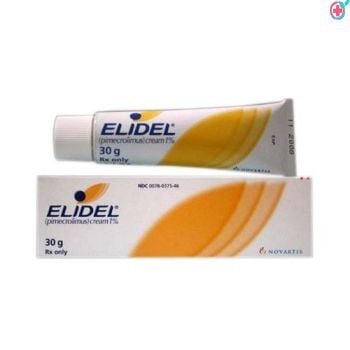
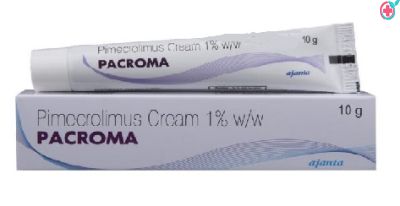
| Manufacturer | : | Healing Pharma |
| Trade Name | : | Elidel |
| Generic Search | : | Pimecrolimus |
| Strength | : | 10g |
Certified Content

Dr. Priya Nair
Clinical Pharmacist & Senior Drug Information Specialist | 9 years
Pharm.D. (Doctor of Pharmacy)
Latest Products