Pacroma Cream (Pimecrolimus) | Used for Eczema Flare Ups and Skin Inflammation Control
Pacroma Cream is used to treat mild-to-moderate atopic dermatitis (eczema) and skin inflamation. It contains Pimecrolimus works by stopping the immune system from producing chemical substances that may cause eczema. In some cases, this medicine may cause side effects like burning, irritation, itching, and redness at the application site.


Product Overview
Pacroma Cream is a dermatological treatment formulated to manage the symptoms of atopic dermatitis (eczema) and skin inflamation. Containing Pimecrolimus, it belongs to a class of medications known as topical calcineurin inhibitors. Unlike traditional steroid creams, it offers a targeted approach to calming the skin's overactive immune response without causing skin thinning. This cream is particularly valuable for treating sensitive areas where steroid use may be restricted, such as the face, neck, and skin folds, providing a reliable long-term option for controlling redness, itching, and inflammation.
Product Composition
- Contains the active ingredient Pimecrolimus (1% w/w)
- Formulated in a smooth, emollient cream base to support the skin barrier
- Non-steroidal formula designed for targeted application
- Fragrance-free and dye-free to minimize the risk of further irritation
Product Specification
| Feature | Details |
| Product Name | Pacroma |
| Generic Name | Pimecrolimus |
| Concentration | 1% w/w |
| Formulation | Topical Cream |
| Therapeutic Class | Calcineurin Inhibitor |
| Primary Indication | Atopic Dermatitis (Eczema) |
Mechanism of Action
Pacroma works by inhibiting the activation of T-cells and other inflammatory cells in the skin. Specifically, Pimecrolimus binds to the intracellular protein macrophilin-12 and inhibits the calcium-dependent phosphatase, calcineurin. By blocking this pathway, the medication prevents the synthesis and release of pro-inflammatory cytokines. This localized suppression of the immune response directly reduces the skin's inflammatory reaction to triggers, effectively diminishing the redness, swelling, and intense itching associated with eczema flare-ups.
Key Benefits
- Effectively controls eczema flare-ups without the risks associated with long-term steroid use.
- Safe for use on delicate skin areas including the face, eyelids, and neck.
- Significantly reduces the urge to scratch by soothing persistent itching.
- Helps extend the time between flare-ups when used at the first sign of symptoms.
- Non-greasy formulation that absorbs quickly into the skin for patient comfort.
- Suitable for both adults and pediatric patients as directed by a healthcare professional
Usage
Dosage
The application of Pacroma Cream should be determined by a healthcare professional based on the area of the skin affected and the severity of the eczema. For most patients, it is applied in a thin layer twice daily to the affected areas. Treatment should begin at the first sign of redness or itching to prevent a full flare-up. The medication is typically used for short periods or intermittently for long-term management of the condition.
Administration
| Aspect | Instruction |
| Preparation | Ensure the affected skin is clean and completely dry before use |
| Application | Apply a thin layer only to the areas of the skin affected by eczema |
| Technique | Rub the cream in gently and completely |
| Hygiene | Wash your hands after application unless your hands are the treated area |
| Post-Care | Apply moisturizers only after the cream has fully absorbed |
| Duration | Use only for as long as directed; stop once symptoms clear |
Storage and Handling
Store the tube at room temperature, ideally between 15°C and 30°C. Do not freeze the cream, as this can damage the formulation. Keep the tube tightly capped to prevent the cream from drying out or becoming contaminated. Like all medications, it must be stored in a secure location out of the reach of children.
Uses
Atopic Dermatitis Management: Provides relief from the redness, swelling, and rash associated with mild to moderate eczema.
Targeted Facial Treatment: Safe for application on sensitive facial skin, including the eyelids and around the mouth.
Pruritus Relief: Significantly reduces the intense itching that triggers the "itch-scratch cycle" in eczema patients.
Sensitive Area Care: Effective for use in skin folds (intertriginous areas) where traditional steroids might cause thinning or stretch marks.
Steroid-Sparing Therapy: Serves as a primary alternative for patients who have experienced side effects from topical corticosteroids.
Flare-Up Prevention: Used intermittently at the earliest sign of symptoms to stop an eczema flare from progressing.
Side Effects
Pacroma Cream containing Pimecrolimus is generally well tolerated when used as prescribed for eczema and inflammatory skin conditions. However, some users may experience side effects, especially during the initial days of treatment or with sensitive skin.
Common Side Effects
- Mild burning or stinging sensation at the application site
- Redness of the skin
- Itching or irritation
- Warm feeling on the treated area
Less Common Side Effects
- Skin dryness or peeling
- Headache
- Cough or nasal irritation (rare)
- Temporary worsening of skin symptoms at the start of treatment
Serious Side Effects (Rare)
| Serious Side Effect | Description |
|---|---|
| Severe skin infection | Worsening redness, swelling, pus formation, or pain at the application site |
| Severe allergic reaction | Swelling of face, lips, tongue, or difficulty breathing |
| Persistent skin irritation | Intense burning, rash, or worsening eczema not improving with time |
| Skin lesions | Unusual bumps, thickening, or changes in skin appearance |
| Lymph node swelling | Swelling in neck, armpit, or groin area (rare immune-related reaction) |
If any serious or persistent side effects occur, discontinue use and seek medical attention immediately.
FAQs
Q: What is the primary use of Pacroma Cream?
A: Pacroma Cream is used for the short-term and intermittent long-term treatment of mild to moderate atopic dermatitis (eczema). It is specifically helpful for patients who cannot use topical steroids or when steroid treatments have not been effective.
Q: Is Pacroma a steroid cream?
A: No, Pacroma is a non-steroidal medication. It belongs to a class of drugs called topical calcineurin inhibitors. Because it does not contain steroids, it does not cause skin thinning (atrophy), making it safer for delicate areas like the face and neck.
Q: Can I use this cream on my eyelids? A: Yes, Pacroma is often prescribed for sensitive areas like the eyelids and face because it does not carry the same risks as steroids. However, you must be careful to avoid getting the cream directly into your eyes. If contact occurs, rinse thoroughly with water.
Q: How soon will I see results?
A: Most patients notice an improvement in itching and redness within the first week of treatment. If your symptoms do not improve after 6 weeks of use, or if they worsen, you should consult your dermatologist.
Q: Should I apply moisturizer while using Pacroma?
A: Yes, maintaining the skin barrier is a key part of managing eczema. You should apply your regular moisturizer after applying Pacroma. It is generally recommended to wait a few minutes after applying the medicated cream to allow it to absorb before putting on your moisturizer.
Q: Can I go out in the sun after applying the cream?
A: Pacroma may make your skin more sensitive to UV light. It is recommended to minimize or avoid exposure to natural or artificial sunlight (such as tanning beds). When outdoors, use sun protection like clothing or a broad-spectrum sunscreen.
Q: Are there any side effects I should watch for?
A: The most common side effect is a mild, temporary feeling of warmth or burning at the application site, which usually goes away after a few days of use. Less common side effects include skin infections like folliculitis or cold sores. If you develop a skin infection, stop use and contact your doctor.
Q: When should I stop using the cream?
A: You should stop using Pacroma once the signs and symptoms of eczema (redness, itching, and rash) have cleared. You should restart treatment at the very first sign of a new flare-up to prevent it from becoming severe.
Interactions
Pacroma Cream containing Pimecrolimus is a topical immunomodulator used for eczema and inflammatory skin conditions. While systemic absorption is low, it may still interact with other topical medicines and skin care products, affecting skin tolerance and treatment response.
Topical Skin Medications
- Other immunosuppressive creams may increase the risk of skin irritation or reduced skin immunity
- Strong corticosteroid creams may alter treatment response when used without medical guidance
- Antifungal or antibacterial creams may be needed for infections but should be used as directed by a doctor
- Acne treatments like retinoids or benzoyl peroxide may increase irritation and dryness
Skincare and Cosmetic Products
- Alcohol-based lotions or toners may increase burning or skin irritation
- Harsh soaps or cleansers may worsen dryness and skin sensitivity
- Fragranced or medicated cosmetics may trigger allergic reactions
- Heavy makeup on affected areas may reduce effectiveness of treatment
Sun and Environmental Factors
- Increased sensitivity to sunlight may occur during treatment
- UV exposure may worsen skin irritation or redness
- Sun protection is recommended during use
Use Pacroma Cream only as prescribed and avoid combining it with multiple strong topical products unless advised by a healthcare professional to ensure safe and effective treatment.
| Manufacturer | : | Ajanta Pharma, India |
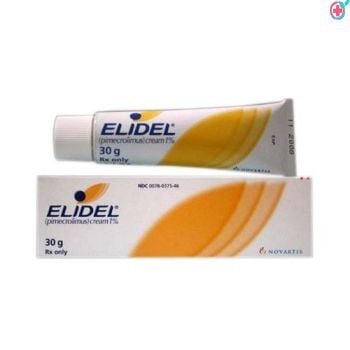
| Trade Name | : | Elidel |
| Generic Search | : | Pimecrolimus |
| Strength | : | 10gm, 30gm |
Certified Content

Dr. Priya Nair
Clinical Pharmacist & Senior Drug Information Specialist | 9 years
Pharm.D. (Doctor of Pharmacy)
Latest Products