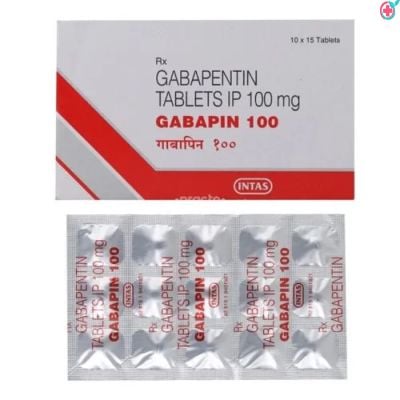
Generic Gabatop (Gabapentin Capsules) | Used for Neuropathic Pain and Seizure Control Support
Gabapentin, retailed under various brand names including Gabatop, is a extensively specified drug known for its effectiveness in managing various conditions similar as neuropathic pain, epilepsy, and restless legs pattern.


Product Overview
Generic Gabatop Capsules (Gabapentin) are used primarily to treat neuropathic pain and epilepsy. Gabapentin, the active ingredient, helps reduce nerve pain and prevent seizures by stabilizing electrical activity in the brain and affecting the way the nerves send messages to the brain.
It is widely utilized for its effectiveness in managing chronic neuropathic pain. Gabapentin works by modifying the way the body processes pain signals in the central nervous system, specifically interacting with voltage-gated calcium channels in the brain and spinal cord.
Product Composition
- Active Ingredient: Gabapentin.
- Drug Class: Anticonvulsant / Gamma-aminobutyric acid (GABA) analogue.
- Formulation: Oral capsules (available in various strengths, such as 300mg, and 400mg, 600mg, 800mg).
- Excipients: Lactose, Talc, Magnesium stearate, and Gelatin (capsule shell).
Product Specification
| Feature | Details |
| Therapeutic Class | Neuropathic Pain Agent / Antiepileptic |
| Primary Indication | Postherpetic Neuralgia & Partial Seizures |
| Secondary Indication | Off-label use for various nerve pain conditions |
| Administration | Oral (Consistent with or without food) |
| Metabolism | Not metabolized (Excreted unchanged by kidneys) |
| Storage | Store at 25°C (77°F); excursions permitted to 15°C–30°C |
Mechanism of Action
- Calcium Channel Modulation: Gabapentin binds to the $\alpha_2\delta$ subunit of voltage-gated calcium channels in the central nervous system. This reduces the influx of calcium into nerve terminals.
- Neurotransmitter Regulation: By limiting calcium influx, it reduces the excitatory release of neurotransmitters (such as glutamate and substance P) that are responsible for signaling pain or triggering seizures.
- Analgesic Effect: Unlike traditional anti-inflammatory painkillers, it does not target the site of injury; instead, it "quiets" the nerves, making the brain less reactive to chronic pain signals.
- GABA Interaction: While it is a GABA analogue, it does not directly bind to GABA receptors, nor does it affect GABA synthesis or uptake.
Key Benefits
- Chronic Pain Management: Highly effective for nerve-related pain, including pain following shingles (postherpetic neuralgia) and diabetic neuropathy.
- Seizure Control: Reliable therapy for the adjunctive treatment of partial-onset seizures in patients with epilepsy.
- Non-Opioid Alternative: Provides a crucial therapeutic option for pain management that does not carry the risk of opioid dependency or addiction.
- Favorable Safety Profile: Does not require hepatic metabolism, which simplifies its use in patients with certain liver concerns.
- Predictable Dosing: Because it is not metabolized by the liver, it has a low potential for interacting with other common medications.
- Versatility: Often used off-label to manage a variety of conditions, including restless legs syndrome and fibromyalgia.
Precautions
Important precautions for Gabatop Capsules (Gabapentin)
Nervous system precautions
- May cause dizziness, drowsiness, or reduced alertness
- Avoid driving or operating heavy machinery if affected
- Do not combine with alcohol as it increases sedation risk
- Use caution when standing up quickly to avoid dizziness
Seizure management precautions
- Do not stop suddenly as it may increase seizure risk
- Dose should be reduced gradually under medical supervision
- Maintain regular dosing schedule for effective control
- Report worsening seizures immediately
Mental health precautions
- May cause mood changes or depression in some individuals
- Monitor for unusual behavior or suicidal thoughts
- Inform doctor if history of psychiatric illness exists
- Close supervision may be needed during initial treatment
Kidney related precautions
- Dose adjustment may be required in kidney impairment
- Regular kidney function monitoring may be needed
- Use cautiously in elderly patients with reduced renal function
- Ensure adequate hydration during therapy
General usage precautions
- Take exactly as prescribed without skipping doses
- Avoid self-adjusting dose or stopping abruptly
- May interact with other CNS depressant drugs
- Store in a cool, dry place away from moisture
Safety overview table
| Area of caution | Precaution guidance |
|---|---|
| Nervous system | May cause drowsiness and dizziness |
| Seizure control | Do not stop suddenly |
| Mental health | Monitor mood and behavior changes |
| Kidney function | Dose adjustment may be required |
Usage
Dosage
Dosage is individualized based on the patient's condition, response to the medication, and renal function. It is typically started at a lower dose and gradually increased by your physician to minimize side effects.
| Indication | Typical Initial Dose | Maintenance Range |
| Neuropathic Pain | 300 mg once daily | 900–3,600 mg daily |
| Epilepsy | 300 mg once daily | 900–3,600 mg daily |
Administration
Consistent Dosing: If taking multiple times daily, ensure the interval between doses does not exceed 12 hours to maintain steady blood levels.
With or Without Food: You may take Gabatop capsules with or without food. Taking it with food may help reduce potential stomach upset.
Swallowing: Swallow the capsule whole with a full glass of water. Do not open, crush, or chew the capsules.
Separation from Antacids: If you require antacids for heartburn, take them at least 2 hours before or after your Gabatop dose to ensure full absorption.
Missed Dose: Take the missed dose as soon as you remember. If it is nearly time for your next dose, skip the missed one. Never double your dose.
Gradual Tapering: Never discontinue use abruptly. Always follow your doctor's specific plan to slowly reduce your dose over time to avoid withdrawal or seizure rebound.
Uses
Postherpetic Neuralgia: Provides effective relief for the chronic, burning nerve pain that often persists after a shingles outbreak.
Diabetic Peripheral Neuropathy: Manages the tingling, numbness, and painful sensations associated with nerve damage caused by diabetes.
Adjunctive Therapy for Seizures: Used alongside other antiepileptic drugs to control partial-onset seizures in adults and children with epilepsy.
Nerve Pain Management: Frequently prescribed off-label for various nerve-related conditions, such as nerve entrapment or trauma-induced neuralgia.
Central Nervous System Stabilization: Helps normalize overactive nerve signaling, which is beneficial for managing both seizure activity and chronic pain pathways.
Alternative Pain Strategy: Serves as a primary non-opioid therapeutic option for patients suffering from long-term neuropathic pain who require alternatives to traditional painkillers.
Side effects
Common side effects
- Drowsiness or sleepiness
- Dizziness or lightheadedness
- Fatigue or tiredness
- Unsteadiness or lack of coordination
Nervous system effects
- Blurred vision
- Tremors or shaking
- Difficulty concentrating
- Confusion in some cases
Gastrointestinal effects
- Nausea or vomiting
- Dry mouth
- Constipation
- Increased appetite and weight gain
Less common side effects
- Mood changes or irritability
- Swelling in hands or feet
- Headache
- Difficulty speaking or memory issues
Serious side effects (rare)
- Severe allergic reactions (rash, swelling, breathing difficulty)
- Suicidal thoughts or worsening depression
- Severe drowsiness affecting breathing (especially with other sedatives)
- Severe swelling or rapid weight gain
Side effects summary table
| System affected | Possible reaction |
|---|---|
| Nervous system | Drowsiness, dizziness, tremors |
| Gastrointestinal | Nausea, dry mouth, constipation |
| Metabolic | Weight gain, increased appetite |
| Mental health | Mood changes, depression, confusion |
| General | Fatigue, swelling, coordination issues |
FAQs
Q: What is the product used for?
A: Gabatop is primarily prescribed to manage chronic nerve pain, such as the pain that follows shingles or diabetic nerve damage. It is also used as an add-on therapy to help control certain types of seizures in patients with epilepsy.
Q: How should I take Gabatop?
A: Take your capsules exactly as your doctor has instructed. It can be taken with or without food. If you take it multiple times a day, try to space your doses evenly to keep the levels in your body steady.
Q: What should I do if I miss a dose?
A: Take the missed dose as soon as you remember it. However, if it is almost time for your next scheduled dose, skip the missed one. Never take two doses at the same time to make up for a missed one.
Q: Can I stop taking this medication suddenly?
A: No. It is very important that you do not stop taking Gabatop abruptly. Stopping too quickly can increase the risk of seizures or cause withdrawal symptoms. Your doctor will help you gradually taper off the medication.
Q: What are the common side effects?
A: Common side effects include drowsiness, dizziness, fatigue, and a loss of coordination. Some people may also notice swelling in their hands or feet. Avoid driving or operating machinery until you know how this medicine affects you.
Q: Does it interact with antacids?
A: Yes. Antacids that contain aluminum or magnesium can reduce how well your body absorbs Gabatop. To ensure it works properly, you should take your Gabatop at least 2 hours after taking an antacid.
Q: Is Gabatop an opioid?
A: No, Gabatop is not an opioid. It belongs to a class of drugs called anticonvulsants. It manages nerve pain through a different mechanism than opioid pain relievers.
Interactions
Drug interactions of Gabatop Capsules (Gabapentin)
Central nervous system (CNS) depressants
- Opioid pain medicines may increase drowsiness and breathing suppression
- Sleeping pills or sedatives can enhance sedation and dizziness
- Antihistamines may increase sleepiness and reduced alertness
- Alcohol significantly increases CNS side effects
Antiepileptic medicines
- Other anti-seizure drugs may require dose adjustment when used together
- Combination therapy may increase dizziness or coordination issues
- Close monitoring is needed for seizure control effectiveness
Antacids and absorption interactions
- Antacids containing aluminum or magnesium may reduce Gabapentin absorption
- Should be taken at least 2 hours apart from Gabatop
- Timing differences help maintain full effectiveness
Pain and muscle relaxant medicines
- Muscle relaxants may increase drowsiness and fatigue
- Neuropathic pain combinations may require monitoring for additive effects
- Adjustments may be needed in multi-drug therapy
General medication considerations
- May enhance effects of other drugs that cause sedation
- Kidney function affecting drugs may alter Gabapentin levels
- Always inform doctor about all ongoing medications
Drug interactions table
| Drug class | Interaction effect |
|---|---|
| Opioids | Increased sedation and respiratory depression risk |
| Sedatives/sleeping pills | Enhanced drowsiness and dizziness |
| Antacids (Al/Mg) | Reduced Gabapentin absorption |
| Alcohol | Increased CNS depression |
| Muscle relaxants | Increased fatigue and coordination issues |
| Manufacturer | : | Healing Pharma |
| Trade Name | : | Neurontin |
| Generic Search | : | Gabapentin |
| Strength | : | 300mg, 400mg, 600mg, 800mg |
Certified Content

Dr. Priya Nair
Clinical Pharmacist & Senior Drug Information Specialist | 9 years
Pharm.D. (Doctor of Pharmacy)
Latest Products