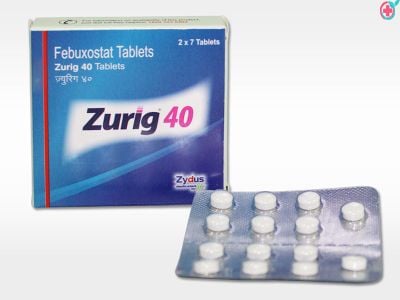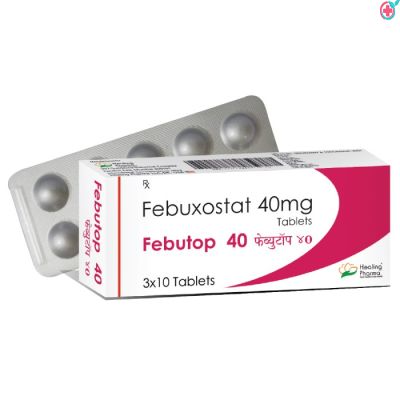
Febucip Tablets (Febuxostat) | Used for Gout and High Uric Acid Treatment
Febucip Tablet contains Febuxostat, a xanthine oxidase inhibitor used to treat chronic hyperuricaemia (high uric acid levels) in adults with gout. Helps lower and maintain uric acid levels in the blood, reducing the frequency of gout attacks and preventing urate crystal deposits in the joints and kidneys. Febucip Tablet belongs to a class of anti-gout medications, also known as xanthine oxidase inhibitors, which are widely used to prevent severe gout attacks or flare-ups.


Product Overview
Febucip Tablet is a potent, non-purine selective inhibitor of xanthine oxidase used for the chronic management of hyperuricemia. Formulated with Febuxostat, it is designed specifically for patients suffering from gout, a condition characterized by the accumulation of urate crystals in the joints. By targeting the enzyme responsible for the production of uric acid, Febucip effectively lowers blood acid levels, preventing the formation of new crystals and allowing existing deposits to dissolve over time. This medication offers a modern therapeutic alternative for individuals who may not achieve target uric acid levels with traditional treatments.
Product Composition
- Active Ingredient: Febuxostat
- Strengths: Commonly available in 40mg and 80mg film-coated tablets
- Drug Class: Xanthine Oxidase Inhibitor (XOI)
- Formulation: Oral tablet
Product Specification
| Feature | Details |
| Therapeutic Category | Antigout Agent / Uric Acid Lowering Therapy |
| Pharmacological Action | Potent inhibition of Xanthine Oxidase enzyme |
| Metabolism | Extensive hepatic metabolism via UGT enzymes and oxidation |
| Excretion | Dual pathways through both urine and feces |
| Storage | Store at room temperature away from light and moisture |
Mechanism of Action
- Enzyme Targeting: Febucip Tablet works by selectively binding to the xanthine oxidase enzyme, which is the catalyst for converting hypoxanthine to xanthine, and subsequently xanthine to uric acid.
- Selective Inhibition: Unlike older treatments, Febuxostat is a non-purine analog, meaning it does not interfere with other enzymes in the purine or pyrimidine metabolic pathways, resulting in a highly specific action.
- Uric Acid Reduction: By blocking the production of uric acid at its source, the medication significantly reduces the concentration of serum urate in the bloodstream.
- Crystal Prevention: Lowering systemic uric acid levels prevents the saturation that leads to the precipitation of monosodium urate crystals in synovial fluid and tissues.
Key Benefits
- Superior Urate Lowering: Clinically recognized for its high efficacy in helping patients reach and maintain target serum uric acid levels (typically <6 mg/dL).
- Joint Protection: By reducing the frequency of gout flares, it protects the joints from long-term damage and the formation of painful tophi (urate deposits).
- Dosage Flexibility: Provides a potent option for patients requiring intensive uric acid management or those with mild-to-moderate renal impairment.
- High Selectivity: Offers a targeted metabolic approach with a low risk of interfering with other vital chemical processes in the body.
- Chronic Relief: Facilitates the gradual dissolution of existing urate deposits, leading to long-term inflammatory relief and improved mobility.
Precautions
| General Precaution | Details |
|---|---|
| Regular uric acid monitoring | Febucip Tablets requires periodic uric acid level checks |
| Liver function monitoring | Long-term use may affect liver enzymes in some individuals |
| Heart health caution | Use carefully in people with heart disease history |
| Consistent daily use | Regular use is important for proper uric acid control |
| Hydration maintenance | Adequate fluid intake helps support kidney health |
Gout Management Care
Febuxostat helps reduce uric acid production, but gout flare-ups may still occur during the initial phase of treatment.
- Continue medicine regularly even during flare-ups
- Do not stop treatment suddenly without guidance
- Follow dietary measures to control uric acid levels
Liver and Kidney Safety
- Periodic liver function monitoring may be required
- Inform healthcare provider about existing kidney or liver conditions
- Maintain proper hydration during therapy
Heart Health Monitoring
Patients with previous heart disease or stroke history should use this medicine carefully with regular monitoring.
Diet and Lifestyle Care
- Limit alcohol intake to reduce gout risk
- Avoid high purine foods such as red meat and seafood in excess
- Maintain healthy body weight and hydration
During Treatment Care
- Take the tablet at the same time each day
- Do not double dose if a dose is missed
- Follow regular follow-up checks if advised
Pregnancy and Breastfeeding
- Use during pregnancy only if clearly needed
- Breastfeeding use should be discussed with a healthcare professional
Storage and Safety Advice
- Store in a cool, dry place away from moisture and sunlight
- Keep out of reach of children
- Do not use expired or damaged tablets
Usage
For Febucip Tablet to be effective, it must be taken as a long-term maintenance therapy. It is important to understand that this medication is used to prevent gout attacks rather than treat an active flare-up. When first starting the treatment, a temporary increase in gout flares may occur as the body begins to dissolve existing uric acid crystals; therefore, a healthcare provider may prescribe additional anti-inflammatory medications during the initial weeks of therapy.
Dosage and Administration
Standard Starting Dose: The typical recommendation begins with 40mg once daily.
Dose Escalation: If serum uric acid levels remain above 6 mg/dL after two weeks, the dose may be increased to 80mg once daily to achieve therapeutic targets.
Consistency: Take the tablet at the same time each day to maintain a steady metabolic inhibition of uric acid production.
Food Compatibility: Febucip can be taken with or without food, as its absorption is not significantly affected by dietary intake.
Hydration: It is advisable to drink plenty of water throughout the day to support the kidneys in processing and excreting uric acid.
Missed Dose: Take the missed dose as soon as you remember. If it is nearly time for your next dose, skip the missed application. Never take a double dose to make up for a missed one.
Uses
Febucip Tablet is primarily indicated for the chronic management of conditions related to excess uric acid. It belongs to a class of drugs known as Xanthine Oxidase Inhibitors, which are the frontline defense against the systemic accumulation of urate.
Clinical Applications
| Condition Category | Specific Targeted Issue |
| Chronic Gout | Long-term management of hyperuricemia in patients with a history of gouty arthritis. |
| Crystal Deposition | Prevention and dissolution of tophi (visible urate deposits) under the skin or around joints. |
| Hyperuricemia | Treatment of elevated serum uric acid levels that have not responded to diet or lifestyle changes. |
| Joint Preservation | Reducing the frequency of acute inflammatory episodes to prevent permanent joint deformity. |
Targeted Action Areas
Metabolic Control: Successfully manages the "over-production" of uric acid by inhibiting the enzymatic pathway in the liver.
Systemic De-crystallization: Promotes a metabolic environment where urate crystals can no longer stay in solid form, allowing them to be cleared from the joints.
Kidney Support: By lowering the overall burden of uric acid in the blood, it reduces the risk of urate-based kidney stones and renal irritation.
Inflammatory Prevention: Acts as a prophylactic measure to ensure that the chemical triggers for gout-related swelling and pain are kept at a minimum.
Side Effects
Common Side Effects
Febucip Tablets may cause mild side effects in some individuals, especially during the beginning of treatment.
- Nausea
- Joint pain
- Headache
- Skin rash
- Diarrhea
- Dizziness
- Mild swelling
- Increased liver enzyme levels
Serious Side Effects
| Serious Side Effect | Symptoms |
|---|---|
| Severe allergic reaction | Swelling, severe rash, breathing difficulty |
| Liver problems | Yellowing of skin or eyes, dark urine, fatigue |
| Heart related complications | Chest pain, shortness of breath, irregular heartbeat |
| Severe skin reactions | Blistering, peeling skin, widespread rash |
| Persistent gout flare-ups | Severe joint pain, swelling, redness |
Gout Flare Effects
Febuxostat may initially trigger gout attacks as uric acid levels begin to change in the body.
Digestive System Effects
Some individuals may experience nausea, diarrhea, or stomach discomfort during treatment.
Liver Related Effects
Long-term therapy may affect liver enzymes, so regular monitoring may be advised.
Skin and Allergy Effects
Mild rash or itching may occur, while severe allergic reactions are rare but require immediate attention.
Heart Health Effects
Patients with existing heart conditions should monitor for chest discomfort, breathing difficulty, or unusual heartbeat changes.
When to Seek Medical Help
Stop use and seek immediate medical attention if you experience severe rash, breathing difficulty, chest pain, yellowing of eyes or skin, or severe allergic symptoms.
FAQs
Q: What is Febucip Tablet used for?
A: It is used to treat chronic hyperuricaemia (high uric acid levels) in adults with gout. It helps lower and maintain uric acid levels in the blood, reducing the frequency of gout attacks and preventing urate crystal deposits in the joints and kidneys.
Q: What is the active ingredient in Febucip Tablet?
A: The active ingredient is febuxostat, which belongs to the xanthine oxidase inhibitor class of medicines.
Q: How does Febucip Tablet work?
A: It works by blocking xanthine oxidase, an enzyme involved in the production of uric acid in the body. By inhibiting this enzyme, it reduces the amount of uric acid produced and lowers uric acid levels in the blood.
Q: Is Febucip Tablet a prescription medicine?
A: Yes. It is a prescription-only medicine and should be used strictly under the supervision of a doctor.
Q: How should I take Febucip Tablet?
A: Take it once daily with or without food. Swallow the tablet whole with a full glass of water at the same time each day.
Q: What is the usual dose of Febucip Tablet?
A: The usual starting dose is 80 mg once daily. Your doctor may increase the dose to 120 mg once daily if uric acid levels remain high after several weeks of treatment.
Q: How long does it take to lower uric acid levels?
A: Uric acid levels usually begin to fall within a few days of starting treatment. However, it may take several weeks to months to reach and maintain the target uric acid level.
Q: Can Febucip Tablet cause gout flares when I first start taking it?
A: Yes. Gout flares may occur more frequently during the first few months of treatment as uric acid crystals begin to dissolve and move. Your doctor may prescribe a preventive anti-inflammatory medicine such as colchicine or an NSAID alongside Febucip to manage this.
Q: What if I miss a dose?
A: Take it as soon as you remember. If it is nearly time for the next dose, skip the missed one — never double up.
Q: Can I stop taking Febucip Tablet once my gout improves?
A: No. Febucip is a long-term treatment. Stopping it can cause uric acid levels to rise again and gout attacks to return. Always consult your doctor before making any changes to your treatment.
Q: What are the most common side effects?
A: Nausea, diarrhoea, headache, joint pain, rash, and abnormal liver function test results.
Q: Are there any serious side effects?
A: Yes — serious side effects can include severe allergic reactions, liver problems, and cardiovascular events such as heart attack and stroke. Seek immediate medical attention if you experience chest pain, signs of liver problems such as yellowing of the skin or eyes, or severe skin reactions.
Q: Is Febucip Tablet safe for patients with heart disease?
A: Use with caution in patients with established cardiovascular disease. Studies have shown a possible increased risk of cardiovascular events with febuxostat compared to allopurinol in patients with existing heart conditions. Discuss the risks and benefits with your doctor.
Q: Is it safe for patients with kidney problems?
A: Febucip can be used in patients with mild to moderate kidney impairment without dose adjustment. However, caution is advised in severe kidney impairment. Always inform your doctor about your kidney condition.
Q: Is it safe for patients with liver problems?
A: Use with caution in patients with liver disease. Regular liver function monitoring is recommended during treatment. Consult your doctor if you have any liver conditions.
Q: Who should avoid Febucip Tablet?
A: Patients with known hypersensitivity to febuxostat, those being treated with azathioprine or mercaptopurine, and patients with severe cardiovascular disease should avoid or use with extreme caution.
Interactions
| General Interaction | Details |
|---|---|
| Azathioprine | Increased risk of serious toxicity |
| Mercaptopurine | May increase medicine levels and side effects |
| Theophylline | Increased risk of theophylline-related side effects |
| Anti gout medicines | Combination may require dose adjustment |
| Antacids | May slightly reduce absorption if taken together |
| Alcohol | May worsen gout symptoms and increase uric acid levels |
Interaction with Immunosuppressant Medicines
Febucip Tablets should not usually be combined with azathioprine or mercaptopurine, as it may increase the risk of serious toxicity.
Interaction with Respiratory Medicines
Febuxostat may increase levels of theophylline, potentially leading to unwanted side effects.
Interaction with Other Gout Medicines
Use with other uric acid lowering medicines may require careful monitoring and dose adjustment to maintain proper uric acid control.
Interaction with Antacids
Taking antacids too close to Febucip Tablets may slightly reduce absorption, so maintaining a time gap may help.
Interaction with Alcohol
Alcohol consumption may increase uric acid levels and worsen gout flare-ups during treatment.
Dietary Interaction Considerations
High purine foods such as red meat, seafood, and sugary beverages may reduce the effectiveness of gout management therapy.
General Safety Advice
Always inform your healthcare provider about all medicines, supplements, and herbal products being used before or during treatment with Febucip Tablets.
| Manufacturer | : | Cipla Pharma, India |
| Trade Name | : | Adenuric |
| Generic Search | : | Febuxostat |
| Strength | : | 40mg, 80mg |
Certified Content

Dr. Priya Nair
Clinical Pharmacist & Senior Drug Information Specialist | 9 years
Pharm.D. (Doctor of Pharmacy)
Latest Products