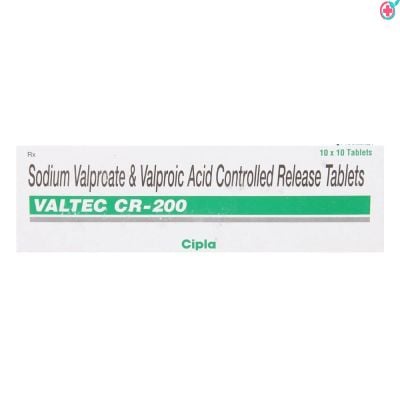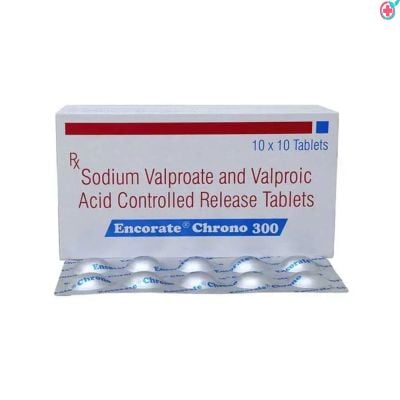
Valpodium CR Tablet (Controlled-Release Tablets Of Sodium Valproate And Valproic)
Valpodium CR Tablet is a controlled-release formulation containing sodium valproate and valproic acid, used for the management of epilepsy and mood disorders. The CR technology ensures sustained drug release for prolonged therapeutic effect.


Introduction of Valpodium CR Tablet
Valpodium CR Tablet is a broad-spectrum anticonvulsant indicated for the treatment of various types of seizures, as well as bipolar disorder and migraine prophylaxis. Its controlled-release formulation helps maintain stable plasma levels, improving efficacy and patient compliance with reduced dosing frequency.
Precautions of Valpodium CR Tablet
- Contraindicated in liver disease
- Monitor liver function tests regularly
- Use cautiously in pregnancy (risk of birth defects)
- Avoid alcohol consumption
- Monitor for suicidal thoughts
- Caution in pancreatitis history
- Dose adjustment may be needed in elderly patients
- Do not stop abruptly
Uses of Valpodium CR Tablet
- Treatment of epilepsy (all seizure types)
- Management of generalized and partial seizures
- Bipolar disorder (mania control)
- Migraine prevention
- Control of absence seizures
- Myoclonic seizures
- Seizure prophylaxis
- Long-term neurological management
Side Effects of Valpodium CR Tablet
- Nausea
- Vomiting
- Drowsiness
- Tremors
- Weight gain
- Hair loss
- Dizziness
- Liver dysfunction (rare but serious)
FAQs of Valpodium CR Tablet
1. What is Valpodium CR Tablet used for?
Valpodium CR Tablet is used for the treatment of epilepsy, bipolar disorder, and prevention of migraine headaches.
2. What are the active ingredients in Valpodium CR Tablet?
It contains sodium valproate and valproic acid in a controlled-release formulation.
3. How does Valpodium CR Tablet work?
It works by increasing the levels of gamma-aminobutyric acid (GABA) in the brain, which helps control abnormal electrical activity and stabilizes mood.
4. What is the advantage of the controlled-release formulation?
The controlled-release formulation ensures gradual drug release, maintaining stable blood levels and reducing dosing frequency.
5. Who are the ideal patients for this therapy?
It is suitable for patients with epilepsy, bipolar disorder, and those requiring migraine prophylaxis.
6. How should Valpodium CR Tablet be taken?
It should be taken orally as prescribed by a healthcare professional, usually once or twice daily.
7. What are the common side effects of Valpodium CR Tablet?
Common side effects include nausea, vomiting, dizziness, drowsiness, tremors, and weight gain.
8. Are there any important precautions before taking this medicine?
It should be used cautiously in patients with liver disease, during pregnancy, and regular monitoring of liver function is recommended
Interactions of Valpodium CR Tablet
- Other antiepileptics – altered drug levels
- Alcohol – increased CNS depression
- Aspirin – increased valproate levels
- Antidepressants – CNS effects
- Warfarin – increased bleeding risk
- Carbapenem antibiotics – reduced valproate levels
- Benzodiazepines – enhanced sedation
- Oral contraceptives – possible interaction
| Manufacturer | : | Healing Pharma |
| Trade Name | : | Depakote ER |
| Generic Search | : | Controlled-Release Tablets Of Sodium Valproate And Valproic |
| Strength | : | 500Mg |
Certified Content

Dr. Priya Nair
Clinical Pharmacist & Senior Drug Information Specialist | 9 years
Pharm.D. (Doctor of Pharmacy)
Latest Products