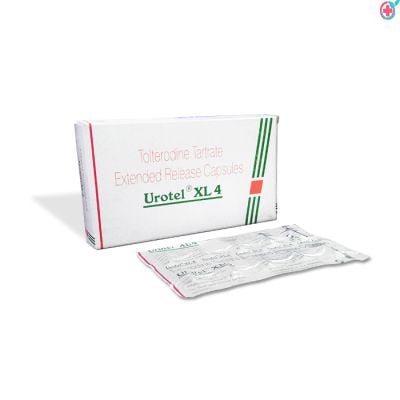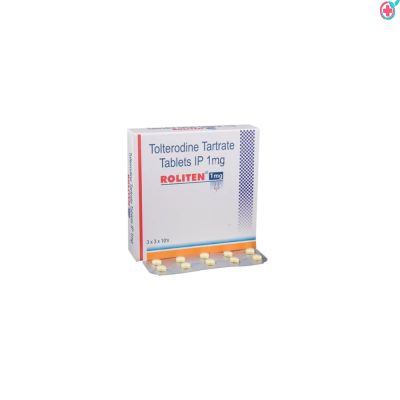
Terol LA Capsule ER (Tolterodine) | Detrol LA | Used to Treat Overactive Bladder (Urinary Urgency, uncontrolled urination, and Frequency)
Terol LA 4 Capsule ER is used to treat an overactive bladder. It relieves bladder symptoms such as frequent urination, a strong desire to urinate, and inability to regulate urination. It works by relaxing the bladder muscles, helping to increase bladder capacity and reduce sudden urges to urinate. This extended-release capsule provides long-lasting symptom control and improves bladder control under medical supervision.


Product Overview
Terol LA Capsule is designed to treat an overactive bladder (OAB) by relaxing the muscles of the bladder wall. Terol LA Capsule is a generic formulation of Tolterodine Tartrate, an antispasmodic medication classified as an antimuscarinic (or anticholinergic) agent. This helps reduce the urge to urinate, decreases the frequency of trips to the bathroom, and prevents accidental leakage (incontinence). The "LA" designation indicates a Long-Acting, Extended-Release (ER) formulation, which provides consistent medication levels over a 24-hour period.
Product Composition
- Active Ingredient: Tolterodine Tartrate.
- Drug Class: Antimuscarinic / Antispasmodic.
- Formulation: Extended-Release (ER) capsules.
- Key Characteristic: Once-daily dosing for 24-hour symptom control.
Product Specification
| Feature | Details |
| Therapeutic Class | Urinary Antispasmodic |
| Primary Indication | Overactive bladder (OAB) |
| Symptoms Treated | Urinary urgency, frequency, and urge incontinence |
| Administration | Oral (once daily) |
| Storage | Store at 20°C to 25°C (68°F to 77°F); keep in original container |
Mechanism of Action
- Muscarinic Receptor Antagonism: Tolterodine competitively binds to muscarinic receptors (specifically $M_2$ and $M_3$ subtypes) in the bladder.
- Bladder Relaxation: By blocking these receptors, it inhibits the action of acetylcholine, the neurotransmitter responsible for bladder muscle contraction.
- Increased Capacity: Reducing these involuntary muscle contractions increases the bladder's capacity to hold urine, effectively decreasing the "urge" to go.
- Symptom Suppression: This localized effect on the bladder smooth muscle results in a significant reduction in the frequency and severity of urgency and accidental leakage episodes.
Key Benefits
- Extended Release (24-hour control): The ER formulation provides steady, controlled delivery of the medication throughout the day and night, reducing the need for multiple daily doses.
- Improved Quality of Life: Significantly reduces the anxiety and lifestyle limitations associated with constant urinary urgency and incontinence.
- Targeted Efficacy: Specifically helps those who experience involuntary bladder contractions that make it difficult to hold urine.
- Consistent Dosing: Simple once-daily regimen improves patient adherence to the treatment plan.
- Minimal Systemic Impact: While it is an anticholinergic, the extended-release formulation is designed to balance effectiveness with tolerability.
Precautions
Important precautions for Terol LA Capsule ER (Tolterodine)
Urinary system precautions
- Not intended for urinary retention or inability to pass urine
- Use cautiously in patients with bladder obstruction
- Report difficulty in urination or weak urine flow immediately
- May take time to show full improvement in symptoms
Eye and vision precautions
- May cause blurred vision in some individuals
- Use caution when driving or operating machinery
- Avoid activities requiring clear vision if affected
- Report sudden vision changes to a doctor
Gastrointestinal precautions
- May cause dry mouth or constipation
- Maintain adequate fluid and fiber intake
- Use cautiously in patients with severe constipation
- Report abdominal discomfort or bloating if persistent
Kidney and liver precautions
- Dose adjustment may be required in liver or kidney impairment
- Use under supervision in chronic organ disease
- Regular monitoring may be advised in long-term use
General usage precautions
- Take exactly as prescribed without skipping doses
- Do not exceed recommended dose
- Avoid alcohol as it may increase side effects
- Not recommended for self-medication
Safety overview table
| Area of caution | Precaution guidance |
|---|---|
| Urinary system | Avoid in urinary retention or obstruction |
| Vision | May cause blurred vision, caution during driving |
| Gastrointestinal | Risk of dry mouth and constipation |
| Liver/Kidney | Dose adjustment may be required |
Usage
Dosage
Dosage is determined by your physician based on your specific symptoms, medical history, and how well your body processes the medication (particularly your liver and kidney function).
| Patient Requirement | Typical Dosage |
| Standard Adult | 4 mg once daily |
| Hepatic or Renal Impairment | May be reduced to 2 mg once daily |
Administration
Consistent Dosing: Take your 4 mg capsule once every 24 hours. Consistent daily timing helps maintain steady medication levels to prevent breakthrough symptoms.
Swallow Whole: You must swallow the capsule whole with a glass of water. Do not crush, chew, or split the capsule, as this destroys the extended-release mechanism.
With or Without Food: You may take this medication regardless of whether you have recently eaten, though taking it with a meal may help if you experience minor stomach upset.
Consistency: It is crucial to take this medication regularly. Skipping doses will result in a return of your urinary urgency and frequency symptoms.
Missed Dose: If you miss a dose, take it as soon as you remember. If it is nearly time for your next dose, skip the missed one. Never take a double dose.
Driving Precautions: Because this medication can occasionally cause dizziness or blurred vision, wait to see how it affects your alertness before driving or operating machinery.
Uses
Overactive Bladder (OAB) Treatment: Indicated for the treatment of patients with symptoms of urinary frequency, urgency, or urge incontinence.
Reduction of Involuntary Bladder Contractions: Specifically targets and relaxes the detrusor muscle, preventing the spasms that cause an immediate, overwhelming need to urinate.
Improved Bladder Capacity: Increases the volume of urine the bladder can hold before the "urge" to void is triggered, allowing for better control.
Reduction of Urge Incontinence Episodes: Decreases the frequency of accidental urine leakage caused by the inability to reach a restroom in time.
Management of Urinary Frequency: Extends the interval between bathroom trips, allowing for more normal daily activity and improved sleep quality by reducing nighttime urination.
Support for Quality of Life: Assists patients in reclaiming a normal social and professional life by mitigating the anxiety and limitations caused by chronic bladder control issues.
Side effects
Common side effects
- Dry mouth
- Headache
- Constipation
- Dizziness
Eye and nervous system effects
- Blurred vision
- Drowsiness or fatigue
- Difficulty focusing
- Mild confusion in some patients
Urinary system effects
- Difficulty in urination
- Urinary retention (in some cases)
- Incomplete bladder emptying
- Reduced urine flow
Gastrointestinal effects
- Abdominal discomfort
- Bloating or indigestion
- Nausea
- Dry throat
Less common side effects
- Rapid heartbeat (palpitations)
- Skin dryness
- Mild memory issues
- Sleep disturbances
Serious side effects (rare)
- Severe urinary retention
- Allergic reactions such as swelling or rash
- Severe confusion or agitation (especially in elderly)
- Eye pressure changes (worsening of glaucoma symptoms)
Side effects summary table
| System affected | Possible reaction |
|---|---|
| Nervous system | Dizziness, headache, confusion |
| Urinary system | Retention, reduced flow |
| Gastrointestinal | Dry mouth, constipation, bloating |
| Eye | Blurred vision, pressure changes |
| Cardiovascular | Palpitations (rare) |
FAQs
Q: What is Terol LA used for?
A: Terol LA is used to treat overactive bladder symptoms. It helps reduce sudden, strong urges to urinate, frequent trips to the bathroom, and accidental urine leakage.
Q: How should I take this medication?
A: Take one capsule daily with a glass of water. You may take it with or without food. It is best to take it at the same time every day to maintain steady levels in your body.
Q: Can I open, crush, or chew the capsule?
A: No. You must swallow the capsule whole. Breaking, crushing, or chewing the capsule can release the entire dose at once, which changes how the medication works and may increase side effects.
Q: What if I miss a dose?
A: Take the missed dose as soon as you remember. If it is almost time for your next scheduled dose, skip the missed one. Do not take two doses at once to make up for a missed dose.
Q: What are the common side effects?
A: The most common side effect is dry mouth. Other side effects may include dry eyes, constipation, headache, or dizziness. Drinking plenty of water can help manage dry mouth.
Q: Will this medication make me drowsy?
A: It can cause dizziness or blurred vision in some people. You should avoid driving or operating heavy machinery until you know how this medication affects your alertness.
Q: How long does it take to see results?
A: Some people notice improvement within a week or two, but it may take up to 8 weeks of consistent use to experience the full benefits of the medication.
Q: Can I take this if I have other medical conditions?
A: You should tell your doctor if you have liver or kidney issues, stomach problems, or glaucoma. Certain medical conditions require special caution when using this type of medication.
Interactions
Drug interactions of Terol LA Capsule ER (Tolterodine)
Anticholinergic medicines
- Other anticholinergic drugs may increase side effects like dry mouth, constipation, and blurred vision
- Combination can enhance urinary retention risk
- Dose adjustment may be required if used together
CYP3A4 enzyme interactions
- Strong CYP3A4 inhibitors (e.g., certain antifungals, antibiotics) may increase Tolterodine levels and side effects
- CYP3A4 inducers may reduce effectiveness of the medicine
- Close monitoring is recommended when used with enzyme-altering drugs
Bladder and urinary medicines
- Other medications for overactive bladder may increase side effects
- Combination therapy may increase risk of urinary retention
- Use only under medical supervision when combined
Gastrointestinal medicines
- Medicines affecting gut motility may worsen constipation
- Antacids generally have minimal interaction but should be spaced if advised
General medication considerations
- Sedative medicines may increase dizziness or drowsiness
- Alcohol may worsen side effects like blurred vision and dry mouth
- Always inform doctor about all current medications and supplements
Drug interactions table
| Drug class | Interaction effect |
|---|---|
| Anticholinergics | Increased side effects (dry mouth, constipation, urinary retention) |
| CYP3A4 inhibitors | Increased Tolterodine levels and toxicity risk |
| CYP3A4 inducers | Reduced effectiveness of Terol LA |
| Other bladder medicines | Increased risk of urinary retention |
| Sedatives | Increased dizziness and drowsiness |
| Manufacturer | : | Cipla Pharma, India |
| Trade Name | : | Detrol |
| Generic Search | : | Tolterodine |
| Strength | : | 2 mg, 4 mg |
Certified Content

Dr. Priya Nair
Clinical Pharmacist & Senior Drug Information Specialist | 9 years
Pharm.D. (Doctor of Pharmacy)
Latest Products