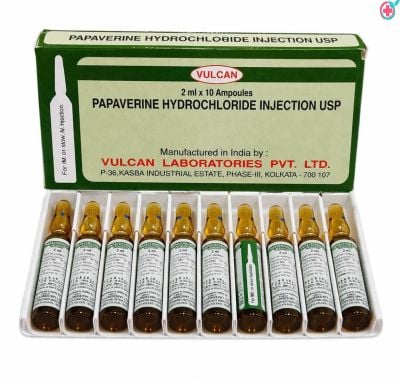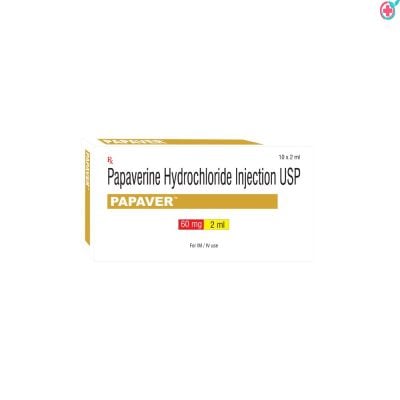
Paparin 2 ml Injection (Papaverine 30mg)
Paparin 2 ml Injection contains Papaverine 30 mg/ml, a smooth muscle relaxant and vasodilator used to relax blood vessels and improve blood circulation. It is prescribed for certain vascular conditions and smooth muscle spasms. The injection may also be used by specialists for erectile dysfunction in selected cases. It must be administered under appropriate medical supervision.


Product Overview
Paparin 2 ml Injection is a prescription medicine containing Papaverine Hydrochloride 30 mg/ml as its active ingredient. It belongs to a group of medicines known as vasodilators and smooth muscle relaxants. It works by relaxing the smooth muscles in blood vessel walls, allowing the vessels to widen and improving blood flow.
Papaverine acts on smooth muscles in different parts of the body, including blood vessels and certain internal organs. It may be prescribed for specific vascular conditions, including peripheral vascular disorders and cerebral vascular spasms, as well as certain visceral spasms.
Papaverine is also used by healthcare specialists in selected cases of erectile dysfunction through intracavernosal administration. This is a specialist-supervised use and should not be attempted without proper medical assessment and training.
Key Product Information
Brand Name: Paparin
Active Ingredient: Papaverine Hydrochloride
Strength: 30 mg/ml
Total Strength: 60 mg per 2 ml
Dosage Form: Injection
Pack Size: 2 ml ampoule
Manufacturer: Troikaa Pharmaceuticals Ltd.
Therapeutic Category: Vasodilator and smooth muscle relaxant
Administration: As directed by a qualified healthcare professional
Precautions
Precautions When Using Paparin 2 ml Injection
Before receiving Paparin Injection, inform your healthcare professional about your medical history, existing health conditions, and all medicines you currently take. Papaverine affects blood vessel function and may influence blood pressure and heart rhythm.
Important Precautions
Medical supervision: Paparin Injection should be administered by a qualified healthcare professional. Do not attempt self-administration without specific specialist training and instructions.
Heart conditions: Inform your doctor if you have any history of heart disease, abnormal heart rhythm, or heart conduction problems.
Low blood pressure: Papaverine can lower blood pressure. Patients with hypotension should receive appropriate medical assessment and monitoring.
Liver conditions: Inform your doctor if you have liver disease or a history of liver problems. Liver function monitoring may be required.
Pregnancy: If you are pregnant or planning to become pregnant, consult your doctor before receiving this medicine.
Breastfeeding: Discuss the potential risks and benefits with your healthcare professional before treatment.
Alcohol: Avoid alcohol unless your doctor confirms it is appropriate, as it may increase dizziness or blood pressure-related effects.
Driving: Papaverine may cause dizziness or lightheadedness. Avoid driving or operating machinery if you experience these symptoms.
Prolonged erection: When used for erectile dysfunction, seek immediate medical attention if an erection lasts longer than four hours.
Other medications: Inform your doctor about all prescription medicines, supplements, and over-the-counter products you use.
Uses
Paparin 2 ml Injection Uses
Paparin 2 ml Injection contains papaverine, which helps relax smooth muscles and widen blood vessels. It is used in selected medical conditions involving vascular spasms and smooth muscle contractions.
1. Erectile Dysfunction
Papaverine may be used by specialists as an intracavernosal treatment for erectile dysfunction in selected patients. By relaxing smooth muscles in penile blood vessels, it helps increase blood flow into the penis and may produce an erection.
2. Peripheral Vascular Disorders
Papaverine has vasodilating properties that help widen blood vessels and improve circulation. It may be used in selected peripheral vascular conditions involving restricted blood flow or vascular spasms.
3. Cerebral Vascular Spasms
Papaverine has been used in specialist settings for certain cerebral vascular spasms. Its use depends on the clinical situation and requires appropriate medical supervision.
4. Visceral Muscle Spasms
Papaverine relaxes smooth muscles in internal organs, including the gastrointestinal and biliary systems. It may be used in selected conditions involving smooth muscle spasms.
Side Effects
Like other prescription medicines, Paparin 2 ml Injection may cause side effects in some patients. These effects can vary depending on the dose, administration route, and individual response to treatment.
Like other prescription medicines, Paparin 2 ml Injection may cause side effects in some patients. These effects can vary depending on the dose, administration route, and individual response to treatment.
Possible Side Effects
Dizziness or lightheadedness
Low blood pressure (hypotension)
Increased heart rate
Flushing or sweating
Nausea or abdominal discomfort
Headache
Drowsiness
Serious Side Effects
Although less common, some patients may experience more serious reactions, including:
Irregular heartbeat or cardiac rhythm disturbances
Liver inflammation or changes in liver function
Allergic reactions
Significant drops in blood pressure
FAQs
1. What is Paparin 2 ml Injection?
Paparin 2 ml Injection is a prescription medicine containing Papaverine Hydrochloride 30 mg/ml. It works as a smooth muscle relaxant and vasodilator, helping relax blood vessels and improve blood circulation.
2. What is Paparin Injection used for?
Paparin Injection may be used for selected vascular disorders, cerebral vascular spasms, and visceral smooth muscle spasms. Papaverine may also be used by specialists for erectile dysfunction in selected patients.
3. What is the composition of Paparin 2 ml Injection?
Each millilitre contains 30 mg of Papaverine Hydrochloride. A 2 ml ampoule contains a total of 60 mg of papaverine.
4. How does Paparin Injection work?
Papaverine helps relax smooth muscles by inhibiting phosphodiesterase enzymes. This allows blood vessels to widen and may improve blood flow in the treated areas.
5. Can Paparin Injection be used for erectile dysfunction?
Papaverine may be used as an intracavernosal treatment for erectile dysfunction under specialist supervision. It helps relax penile smooth muscles and increase blood flow. It is not suitable for unsupervised use.
6. Does Paparin Injection improve blood circulation?
Papaverine has vasodilating properties that relax blood vessel walls, allowing them to widen. This action may improve blood flow in selected vascular conditions.
7. Can I administer Paparin Injection myself?
No. Paparin Injection should be administered by a qualified healthcare professional. If it is prescribed for erectile dysfunction, specialist-led training and supervision are essential.
8. What are the common side effects of Paparin Injection?
Possible side effects include dizziness, low blood pressure, increased heart rate, flushing, sweating, nausea, and headache. The type and severity of side effects may vary between individuals.
Interactions
Paparin 2 ml Injection contains Papaverine Hydrochloride, a smooth muscle relaxant and vasodilator that helps relax blood vessels and improve blood circulation. It may interact with certain medicines, potentially affecting their effectiveness or increasing the risk of side effects.
Before receiving Paparin Injection, inform your doctor about all prescription medicines, over-the-counter products, vitamins, and herbal supplements you currently use.
Medicines That May Interact With Paparin Injection
1. Levodopa
Papaverine may interfere with the therapeutic effects of levodopa, a medicine used to manage Parkinson's disease. Inform your doctor if you are taking levodopa.
2. Blood Pressure-Lowering Medicines
Using papaverine with antihypertensive medicines may increase the risk of low blood pressure, dizziness, or lightheadedness. Your doctor may recommend monitoring your blood pressure.
3. Other Vasodilators
Combining papaverine with other medicines that widen blood vessels may increase their blood pressure-lowering effects. Medical supervision is recommended.
4. Medicines Affecting Heart Rhythm
Inform your healthcare professional if you take medicines that affect heart rate or cardiac rhythm. Your doctor can assess potential cardiovascular risks before prescribing papaverine.
5. Alcohol
Alcohol may increase dizziness, lightheadedness, and blood pressure-related effects. Avoid alcohol unless your healthcare professional confirms it is appropriate.
Important Advice
Always share your complete medication history with your doctor.
Do not start or stop any medicine without professional advice.
Follow the prescribed dose and administration instructions.
Seek medical attention if you experience fainting, severe dizziness, or an irregular heartbeat.
| Manufacturer | : | Troikaa Pharma, India |
| Trade Name | : | |
| Generic Search | : | papaverine |
| Strength | : | 30mg |
| Availability | : | In stock |
| Delivery Time | : | 12 - 20 Days |
| Free Shipping | : | Free delivery over $250 |
Certified Content

Dr. Priya Nair
Clinical Pharmacist & Senior Drug Information Specialist | 9 years
Pharm.D. (Doctor of Pharmacy)
Latest Products