Lenalid Capsule (Lenalidomide) | Used for Treatment of Multiple Myeloma and Blood Cancers
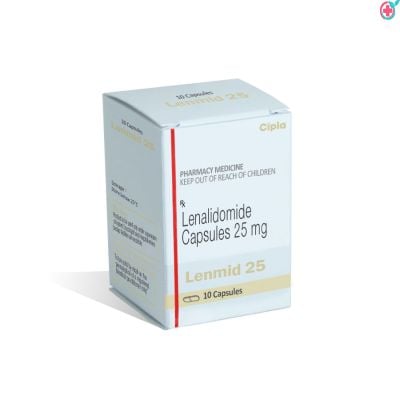
Lenalid Capsule (Lenalidomide) is a medicine used to treat multiple myeloma and certain blood cancers like myelodysplastic syndromes. Lenalid capsule is an immunomodulating agent that affects the working of the immune system to help the bone marrow in making new & normal blood cells & erasing the abnormal cells from the bone marrow.Revlimid is another trade name for Lenalid.


Product Overview
Lenalid Capsule contains Lenalidomide, a potent immunomodulatory and anti-neoplastic agent structurally related to thalidomide. Lenalid Capsule is used in the treatment of specific blood cancers and related conditions, functioning primarily by modulating the immune system and inhibiting the growth of abnormal cells. Due to its significant risk of severe birth defects, this medication is strictly controlled and must be used under rigorous medical supervision and within mandated safety programs.
Product Composition
- Active Ingredient: Lenalidomide (available in various strengths, 5 mg, 10 mg, 15 mg & 25 mg).
- Excipients: Anhydrous lactose, microcrystalline cellulose, croscarmellose sodium, and magnesium stearate. (Always refer to the specific package insert for exact excipient composition).
Product Specification
| Feature | Details |
| Brand Name | Lenalid Capsule |
| Active Ingredient | Lenalidomide |
| Therapeutic Category | Immunomodulatory / Antineoplastic Agent |
| Form | Oral Capsule |
| Primary Indications | Multiple Myeloma, Myelodysplastic Syndromes (MDS), Mantle Cell Lymphoma |
| Storage Requirements | Room temperature, protected from moisture and light |
Mechanism of Action
- Immunomodulation: Lenalidomide stimulates the activity of T-cells and natural killer (NK) cells, which helps the immune system recognize and attack malignant cells.
- Anti-Angiogenesis: It suppresses the formation of new blood vessels that tumors require to grow and spread, effectively "starving" the cancer.
- Direct Anti-Tumor Effects: It binds to the protein cereblon, which leads to the degradation of specific transcription factors essential for the survival of myeloma cells, ultimately inducing cell death (apoptosis).
Key Benefits & Indications
- Multiple Myeloma: A cornerstone treatment, often used in combination with dexamethasone, to manage the disease and extend progression-free survival.
- Myelodysplastic Syndromes (MDS): Specifically indicated for patients with transfusion-dependent anemia due to low- or intermediate-risk MDS associated with a deletion 5q cytogenetic abnormality.
- Mantle Cell Lymphoma (MCL): Used in patients whose disease has relapsed or progressed after other prior therapies.
CRITICAL SAFETY WARNING: PREGNANCY
Lenalidomide is a potent teratogen and is strictly contraindicated during pregnancy. Exposure at any time can cause severe, life-threatening birth defects or fetal death.
- Mandatory Enrollment: Patients must be enrolled in a strictly regulated risk management program (e.g., REMS) to receive this medication.
- Contraceptive Protocols: Women of childbearing potential must use two highly effective, concurrent methods of contraception for at least 4 weeks before, during, and until 4 weeks after completion of therapy.
- Male Patients: Lenalidomide is present in semen. Male patients must use condoms during any sexual contact with women of childbearing potential for the duration of therapy and for 4 weeks after stopping the medication.
Precautions
Strict Medical Supervision Required
- Lenalid Capsule (Lenalidomide) must be taken only under the supervision of a specialist doctor
- Do not start, stop, or change the dose without medical advice
Pregnancy Prevention (Critical Warning)
- Causes severe birth defects and must never be used during pregnancy
- Effective contraception is mandatory during treatment and for a period after stopping
- Regular pregnancy testing may be required
Blood Donation Restriction
- Do not donate blood during treatment and for a specified period after stopping
- Prevents risk to pregnant recipients
Blood Count Monitoring
- Regular blood tests are required to monitor white blood cells, red blood cells, and platelets
- Helps prevent serious infections or bleeding risks
Infection and Bleeding Risk
- May lower immunity and increase risk of infections
- Report fever, sore throat, or unusual bruising immediately
Caution in Medical Conditions
- Inform doctor if you have kidney disease, liver problems, or clotting disorders
- Dose adjustment may be required
| Precaution Area | Guidance |
|---|---|
| Usage | Only under specialist supervision |
| Pregnancy | Strictly contraindicated |
| Contraception | Mandatory during and after treatment |
| Blood Donation | Not allowed |
| Monitoring | Regular blood tests required |
| Infection Risk | Report symptoms immediately |
Usage
Dosage & Administration
Strict Adherence: Take the capsule exactly as prescribed by your healthcare provider. Do not alter your dose or stop the medication without consulting your physician, as this can affect treatment efficacy.
Intake Method: Swallow the capsule whole with water. Do not break, chew, or open the capsule. It can be taken with or without food, but try to remain consistent with your daily timing.
Mandatory Programs: You must be enrolled in and compliant with the specific risk management program (e.g., REMS) required by your region to receive your prescription.
Missed Dose: If you miss a dose and less than 12 hours have passed, take it as soon as you remember. If more than 12 hours have passed, skip the missed dose and resume your regular schedule; do not double the dose.
Safety Precautions
Pregnancy Warning: This drug is a potent teratogen and is strictly contraindicated for pregnant women. Women must use two highly effective, concurrent forms of contraception, and men must use condoms during all sexual contact to prevent fetal exposure.
Blood Clot Monitoring: There is an increased risk of venous thromboembolism (blood clots). Seek immediate medical attention for symptoms such as chest pain, shortness of breath, or sudden swelling/pain in the legs.
Myelosuppression: Lenalidomide can significantly lower blood cell counts. Watch for signs of infection (fever, chills), unusual bruising or bleeding, and extreme fatigue. Regular blood tests are mandatory.
Handling & Storage: Store at room temperature in a cool, dry place. Keep out of the reach of children. If the powder from a broken capsule contacts your skin, wash the area thoroughly with soap and water.
Treatment Administration Summary
| Protocol | Requirement |
| Frequency | Once daily (or as specified by your hematologist/oncologist) |
| Intake Method | Swallow whole with water |
| Monitoring | Frequent mandatory blood counts and clinical assessments |
| Key Warning | Strict pregnancy prevention is essential for all patients |
Uses
Multiple Myeloma: Used in combination with other therapeutic agents (like dexamethasone) to treat patients with active multiple myeloma.
Myelodysplastic Syndromes (MDS): Indicated for patients with transfusion-dependent anemia due to low- or intermediate-1-risk MDS associated with a deletion 5q cytogenetic abnormality.
Mantle Cell Lymphoma (MCL): Used to treat patients with relapsed or refractory disease who have received prior therapies.
Side Effects
Common Side Effects
- Fatigue or weakness
- Nausea or loss of appetite
- Diarrhea or constipation
- Dizziness
Blood Related Effects
- Low white blood cell count (increased risk of infection)
- Low platelet count (easy bruising or bleeding)
- Anemia (tiredness, weakness)
Infection Risk
- Increased susceptibility to infections
- Fever, sore throat, or frequent infections may occur
Nervous System Effects
- Numbness or tingling in hands and feet (peripheral neuropathy)
- Headache or sleep disturbances
Serious but Rare Effects
- Blood clots (deep vein thrombosis or pulmonary embolism)
- Severe allergic reactions such as rash or swelling
- Liver or kidney function changes
| Side Effect Type | Details |
|---|---|
| Common Effects | Fatigue, nausea, diarrhea, dizziness |
| Blood Effects | Low WBC, anemia, low platelets |
| Infection Risk | Fever, frequent infections |
| Neurological | Tingling, numbness, headache |
| Serious Effects | Blood clots, severe allergy, organ function changes |
FAQs
Q: What is Lenalid (Lenalidomide) used for?
A: It is a cancer medication used primarily to treat Multiple Myeloma, certain types of Myelodysplastic Syndromes (MDS) with specific genetic abnormalities, and relapsed Mantle Cell Lymphoma.
Q: Why is it strictly controlled?
A: Lenalidomide is chemically related to thalidomide and is a potent teratogen. It can cause severe, life-threatening birth defects if taken during pregnancy. Therefore, it is only available through strict, mandatory risk management programs.
Q: Do men need to worry about the pregnancy risks?
A: Yes. Lenalidomide is present in the semen of men taking the drug. Male patients must use a condom during sexual contact with women of childbearing potential, even if they have had a vasectomy, and must not donate sperm during treatment or for 4 weeks after stopping.
Q: What are the most common side effects?
A: Common side effects include fatigue, diarrhea, constipation, itching, rash, and nausea. It can also significantly lower blood cell counts, increasing the risk of infections, anemia, and bleeding.
Q: Can I take this with other medications?
A: Lenalidomide can interact with various drugs. Always provide your healthcare team with a complete list of all prescription drugs, over-the-counter medications, vitamins, and herbal supplements you are taking.
Q: Why do I need frequent blood tests?
A: Because Lenalidomide often lowers white blood cell and platelet counts, your doctor must monitor your blood regularly. These tests ensure your counts are safe and allow for dose adjustments if necessary.
Q: Is there an increased risk of blood clots?
A: Yes, there is an increased risk of deep vein thrombosis (DVT) and pulmonary embolism. Your doctor may prescribe blood thinners or aspirin as a preventative measure while you are on this medication.
Q: What should I do if I miss a dose?
A: If you miss a dose and it has been less than 12 hours, take it as soon as you remember. If it has been more than 12 hours, skip the missed dose and resume your regular schedule. Never take two doses at once to make up for a missed one.
Q: How should the capsules be handled?
A: Always handle the capsules carefully. Do not break or open them. If you touch the powder inside a broken capsule, wash the area thoroughly with soap and water.
Q: Can I donate blood while on this treatment?
A: No. You must never donate blood or plasma while taking Lenalidomide or for at least 4 weeks after stopping, as the drug could potentially be passed to a recipient.
Interactions
Other Cancer Medicines
- Lenalidomide is often used with other oncology drugs
- Combination therapy must be strictly managed by a specialist
Blood Thinners (Anticoagulants)
- May increase risk of bleeding when used with drugs like warfarin
- Requires close monitoring and possible dose adjustment
Corticosteroids and Immunosuppressants
- May increase risk of infections when combined
- Careful monitoring is required
Drugs Affecting Kidney Function
- Since lenalidomide is cleared by kidneys, medicines affecting kidney function may alter its levels
- Dose adjustment may be needed
Vaccines and Immune Response
- Live vaccines should be avoided during treatment
- Immune response to vaccines may be reduced
| Interaction Type | Recommendation |
|---|---|
| Cancer Medicines | Use only under specialist supervision |
| Blood Thinners | Monitor for bleeding risk |
| Immunosuppressants | Increased infection risk |
| Kidney Affecting Drugs | Dose adjustment may be required |
| Vaccines | Avoid live vaccines |
| Manufacturer | : | Natco Pharma, India |
| Trade Name | : | Revlimid |
| Generic Search | : | Lenalidomide |
| Strength | : | 5 mg, 10mg, 15mg, 25mg |
Certified Content

Dr. Priya Nair
Clinical Pharmacist & Senior Drug Information Specialist | 9 years
Pharm.D. (Doctor of Pharmacy)
Latest Products