
Adapalene (Generic for Differin)
- Generic: AdapaleneTrade Name: Differin1 Tube$3.00
- Generic: AdapaleneTrade Name: Differin1 Gel/s$9.00
- Generic: AdapaleneTrade Name: Differin1 Tube$4.83
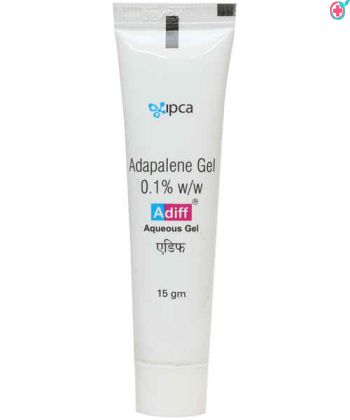


Adapalene (Generic for Differin) – What It Is, How It Works & Safety Information
Adapalene is a topical medication commonly used in the treatment of acne. It belongs to a class of compounds known as retinoids, which are chemically related to vitamin A. Adapalene is designed to influence the growth and shedding of skin cells, helping to keep pores clear and reduce inflammation.
This page provides a clear overview of adapalene’s actions, uses, mechanism, key safety considerations, and what evidence shows about its effectiveness.
What is Adapalene?
Adapalene is a topical retinoid applied to the skin. It is available in various formulations, such as gels and creams, and at different concentrations (commonly 0.1% and 0.3%). It is widely used in dermatological practice as part of acne management.
Unlike some older retinoids, adapalene is known for its skin-tolerable profile, meaning it tends to cause less irritation while remaining effective.
Benefits of Adapalene
- Unclogs pores and reduces blackheads and whiteheads
- Decreases acne formation by regulating skin cell turnover
- Reduces inflammation for less redness and swelling
- Improves skin texture and smoothness over time
- Can help reduce fine lines and wrinkles
- Non-comedogenic and suitable for oily or acne-prone skin
Common Uses of Adapalene
Adapalene is primarily used for:
- Mild to moderate acne vulgaris
- Non-inflammatory acne lesions (blackheads and whiteheads)
- Inflammatory lesions (papules and pustules)
In clinical practice, it may be used alone or in combination with other acne medicines, such as benzoyl peroxide or certain antibiotics, depending on the severity and type of acne.
How Adapalene Works
Acne develops when hair follicles become clogged with dead skin cells, oil (sebum), and bacteria. The process involves several components:
- Follicular hyperkeratinization (excess shedding of skin cells)
- Excess sebum production
- Inflammation and bacterial proliferation
Adapalene helps by:
1. Normalizing Skin Cell Turnover
Adapalene promotes more orderly shedding of dead skin cells. This reduces the formation of blockages (comedones) that can lead to whiteheads, blackheads, and inflammatory lesions.
2. Reducing Inflammation
It has anti-inflammatory properties that calm redness and swelling associated with acne lesions.
Together, these effects address both non-inflammatory and inflammatory aspects of acne.
Adapalene Gel vs. Adapalene Cream
We offer both Adapalene Gel and Adapalene Cream to suit different skin types:
- Adapalene Gel is ideal for oily or acne-prone skin. It has a lightweight, fast-absorbing texture.
- Adapalene Cream is better for dry or sensitive skin, as it provides added moisture while delivering the same active ingredient.
If you’re unsure which to choose, start with your skin type. Dry or irritated easily? Try the cream. Oily and prone to breakouts? Go with the gel.
How to Use Topical Adapalene
Directions for Use:
- Wash your face with a gentle cleanser and pat dry.
- Apply a thin layer of Adapalene to the affected area once daily, usually at bedtime.
- Avoid applying it to broken or sunburned skin.
- Use a moisturizer daily, especially during the first few weeks of use.
- Don’t forget sunscreen – retinoids can increase sensitivity to sunlight.
- Consistency is key. You may not see improvement right away—most users notice results after 8 to 12 weeks of consistent use.
What to Expect During Treatment
Results with adapalene may take time. Many people begin to see improvement within 4–8 weeks, while full benefits may take several months. Initial use sometimes brings a period of increased dryness or mild irritation as the skin adjusts, commonly referred to as “retinoid adaptation.”
If irritation persists, consult a healthcare provider about adjusting the frequency or combining with soothing skincare.
How Adapalene Differs from Other Acne Treatments
Adapalene differs from other topical agents in several key ways:
- Compared with benzoyl peroxide: Adapalene primarily affects cell turnover and inflammation, whereas benzoyl peroxide targets bacteria and has keratolytic effects.
- Compared with antibiotics: Adapalene does not carry concerns about antibiotic resistance and may be used alongside antibiotic treatments.
- Compared with other retinoids: Adapalene is often less irritating than older retinoids like tretinoin, making it a common first-line retinoid choice.
Adapalene vs. Tretinoin: What’s the Difference?
Both Adapalene and Tretinoin are retinoids, but there are some differences:
| Feature | Adapalene | Tretinoin |
| Skin irritation | Less likely | More likely |
| Stability | More stable in sunlight | Less stable; often used at night |
| Effectiveness | Excellent for acne | Excellent for acne + anti-aging |
| Prescription status | Often available OTC | Usually prescription only |
Adapalene is a great starter retinoid, especially for those with sensitive skin or new to retinoids.
Safety & Potential Side Effects
Adapalene is generally well tolerated, but some individuals may experience:
- Dryness or flakiness
- Mild burning or stinging
- Redness
- Increased sensitivity to sunlight
These effects are usually mild and decrease with continued use. To minimize irritation:
- Start with a lower concentration if recommended
- Use a gentle, non-comedogenic moisturizer
- Apply sunscreen daily
When to Seek Medical Advice
Seek medical guidance if you experience:
- Severe irritation
- Allergic reaction (rash, intense itching, swelling)
- Signs of infection
- Persistent worsening of acne despite treatment
Who Should Avoid Adapalene?
You should talk to a doctor before using Adapalene if you:
- Are you pregnant or breastfeeding
- Have eczema or very sensitive skin
- Use other acne treatments like benzoyl peroxide or salicylic acid (check compatibility)
Frequently Asked Questions
Q1: Where can I buy Adapalene (Generic for Differin) medicine online?
A1: You can buy Adapalene (Generic for Differin) medicine online from trusted pharmacies like OnlineGenericMedicine.com, which offer genuine and affordable generic versions with home delivery.
Q2: Is Adapalene (Generic for Differin) medication available without a prescription?
A2: Adapalene (Generic for Differin) is a prescription medication. You should consult a licensed healthcare provider before using it to ensure safety and correct dosage.
Q3: Is generic Adapalene (Generic for Differin) as effective as the brand-name version?
A3: Yes, generic Adapalene (Generic for Differin) contains the same active ingredients, strength, and effectiveness as the brand-name drug, but is usually more affordable.
Q4: How should I take Adapalene (Generic for Differin) medication?
A4: Always follow your doctor’s instructions for dosage and usage. Do not change the dose or stop the medication without medical advice.
Q5: What are the common side effects of Adapalene (Generic for Differin)?
A5: Common side effects may include Dryness,Peeling or flaking,Redness, Mild burning or stinging. Contact your doctor if any symptoms persist or worsen.
Q6: Can I use Adapalene (Generic for Differin) medicine if I'm pregnant or breastfeeding?
A6: Some medications may not be safe during pregnancy or breastfeeding. Consult your doctor before starting Adapalene (Generic for Differin) in such cases.
Q7: How do I store Adapalene (Generic for Differin) medication?
A7: Store Adapalene (Generic for Differin) in a cool, dry place away from direct sunlight and out of reach of children. Always check the packaging for specific storage instructions.
Q8: What should I do if I miss a dose of Adapalene (Generic for Differin)?
A8: Take the missed dose as soon as you remember. If it’s almost time for your next dose, skip the missed one. Do not double the dose to catch up.
Summary
- Adapalene is a topical retinoid used predominantly for the treatment of acne.
- It works by normalizing skin cell shedding and reducing inflammation.
- Results may take several weeks to appear, and initial mild irritation is not uncommon.
- Safe use includes gentle skin care and sun protection.
- Healthcare guidance is advised when irritation is severe or acne does not improve.
Medical Disclaimer (YMYL Content)
The information provided on this page is intended for educational and informational purposes only and should not be considered medical advice, diagnosis, or treatment. Decisions about acne management and the use of adapalene should be made in consultation with a licensed healthcare provider. Do not begin, stop, or alter any medication without professional guidance. If you experience severe side effects or signs of allergic reaction, seek medical attention promptly.
Medical References & Authoritative Sources
This page reflects clinical knowledge and guidance from sources including:
- American Academy of Dermatology (AAD) – Acne treatment guidelines
- Mayo Clinic – Acne overview and topical retinoid safety
- National Institutes of Health (NIH) – Dermatology research on retinoid mechanisms
- Peer-reviewed dermatology literature on adapalene and topical retinoids

