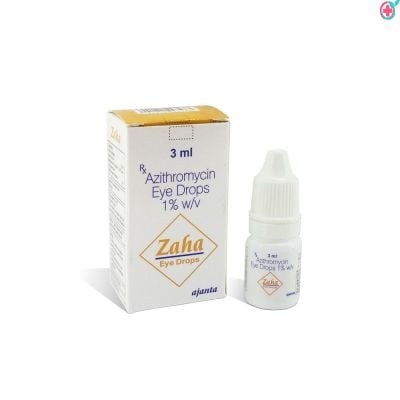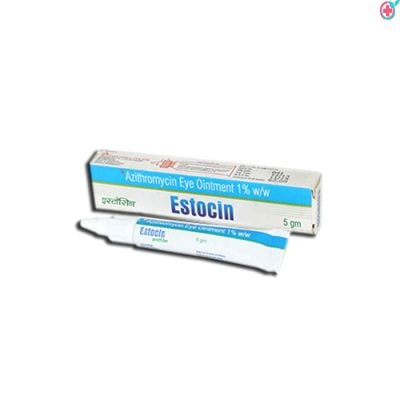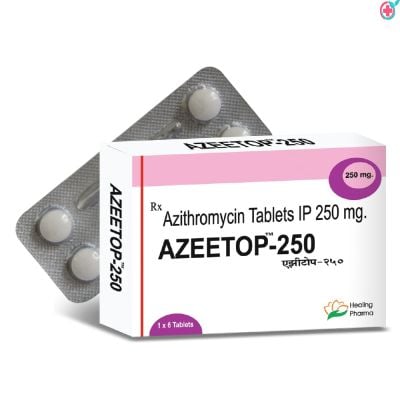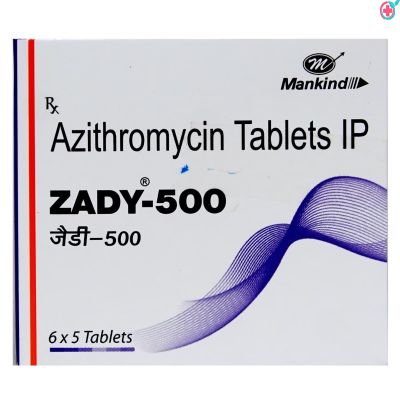
Azicip Tablet (Azithromycin) | Zithromax Alternative | Treats Bacterial Infections of Nose, Throat, Tonsils, Ears, Lungs, Skin, Etc.
Buy Azicip 250 mg (Azithromycin), Azicip Tablet is used to treat bacterial infections of the nose, throat, chest, ear, skin, soft tissues, and sexually transmitted genitourinary infections. Azithromycin is known to be a class of medications called macrolide antibiotics. Azithromycin works by killing bacteria by preventing them from reproducing and repairing themselves. Azithromycin is a bacteriostatic antibiotic. Zithromax is another brand name for Azithromycin.


Product Overview
Azicip Tablet is a broad-spectrum antibiotic containing Azithromycin, which belongs to the macrolide class. Azicip Tablet is used to treat a wide range of bacterial infections of the respiratory tract (pneumonia, sinusitis, tonsillitis), skin, and soft tissues. Due to its unique pharmacokinetic profile, Azicip is often prescribed as a short-course therapy, making it a convenient and effective option for addressing respiratory, dermatological, and systemic infections caused by susceptible bacteria.
Product Composition
- Active Ingredient: Azithromycin (as Azithromycin Dihydrate)
- Common Strengths: 250 mg, 500 mg
- Excipients: Microcrystalline Cellulose, Maize Starch, Croscarmellose Sodium, Magnesium Stearate, and film-coating agents.
Product Specifications
| Feature | Details |
| Brand Name | Azicip Tablet |
| Generic Name | Azithromycin |
| Therapeutic Category | Macrolide Antibiotic |
| Dosage Form | Oral Tablet |
| Common Strengths | 250 mg, 500 mg |
Mechanism of Action
- Protein Synthesis Inhibition: Azithromycin binds to the 50S ribosomal subunit of susceptible bacteria.
- Replication Block: By binding to this site, it effectively blocks the translation of mRNA, which stops the bacteria from producing essential proteins required for their growth and replication.
- Bacteriostatic/Bactericidal Effect: Depending on the concentration and the specific bacteria, it acts primarily to stop bacterial growth (bacteriostatic), allowing the body's immune system to clear the infection, but can also exert bactericidal effects at higher concentrations.
Key Benefits
- Convenient Dosing: Its long half-life often allows for shorter treatment durations (e.g., 3 to 5 days) compared to other antibiotics.
- Broad-Spectrum Efficacy: Treats a diverse range of infections, including those affecting the respiratory tract, skin, and soft tissues.
- High Tissue Penetration: Demonstrates excellent distribution into body tissues and fluids, reaching high concentrations at the site of infection.
- Patient Compliance: The shorter treatment courses typically lead to better adherence, reducing the risk of missed doses.
Precautions
Medical Supervision
- Use Azicip Tablet (Azithromycin) only under a doctor’s prescription
- Do not self-medicate or use for viral infections like cold or flu
- Complete the full prescribed course even if symptoms improve early
Liver and Heart Conditions
- Inform your doctor if you have liver disease or heart rhythm disorders
- Use with caution in patients with QT prolongation or cardiac issues
- Regular monitoring may be required in high-risk patients
Allergy and Sensitivity
- Avoid use if you are allergic to azithromycin or other macrolide antibiotics
- Stop immediately if rash, swelling, or breathing difficulty occurs
Food and Administration
- Can be taken with or without food, but taking after food may reduce stomach upset
- Take with a full glass of water
- Do not crush or chew unless advised
Drug Resistance Prevention
- Do not skip doses or stop treatment early
- Avoid unnecessary use to prevent antibiotic resistance
Special Populations
- Pregnant and breastfeeding women should use only if clearly prescribed
- Use in children only under pediatric guidance
- Elderly patients may require careful dose adjustment
| Precaution Type | Recommendation |
|---|---|
| Dosage adherence | Complete full antibiotic course |
| Food intake | Can be taken with or without food |
| Heart conditions | Use cautiously in cardiac patients |
| Liver function | Monitor in liver disease patients |
| Allergy risk | Discontinue if allergic reaction occurs |
| Antibiotic resistance | Avoid misuse or overuse |
Usage
This section outlines the clinical guidelines for the administration of Azicip (Azithromycin) to ensure effective treatment of bacterial infections while maximizing patient comfort and compliance.
Dosage
Standard Dosing: The regimen is typically short, often ranging from 3 to 5 days, depending on the severity and type of infection.
Loading Dose: Often, the first day involves a higher "loading" dose followed by a lower maintenance dose for the remaining days of the course.
Strict Adherence: It is imperative to complete the entire course as prescribed by your physician, even if you feel completely recovered, to prevent the development of bacterial resistance.
Administration
Ingestion: Swallow the tablet whole with a glass of water. It can be taken with or without food; however, taking it with a small meal or snack is recommended if you experience stomach upset.
Antacid Gap: If you take antacids containing aluminum or magnesium (e.g., Gelusil, Digene), space them out by at least 1 hour before or 2 hours after your dose of Azicip to ensure full absorption.
Consistent Timing: Take the tablet at the same time each day to maintain steady antibiotic levels in your system.
Administration Guidelines
| Instruction | Recommended Action |
| Dosing Schedule | Follow the short-course regimen exactly |
| Meal Timing | Take with food if experiencing gastric discomfort |
| Antacid Interaction | Maintain a 2-hour buffer from antacids |
| Completion | Finish the entire prescription |
Uses
Respiratory Infections: Effective for treating acute bronchitis, pneumonia, and bacterial sinusitis.
Skin & Soft Tissue: Used to manage infections of the skin and underlying tissues (e.g., impetigo, folliculitis).
Ear & Throat Infections: Commonly used for bacterial pharyngitis, tonsillitis, and otitis media.
Sexually Transmitted Infections: Frequently used in the treatment of specific infections like chlamydia and certain forms of non-gonococcal urethritis.
Other Bacterial Conditions: Effective against a variety of other susceptible bacterial infections as determined by your healthcare provider.
Side effects
Common Side Effects
- Nausea or vomiting
- Diarrhea or loose stools
- Abdominal pain or discomfort
- Headache
- Dizziness
Less Common Side Effects
- Loss of appetite
- Mild skin rash or itching
- Indigestion or bloating
- Fatigue or weakness
- Altered taste sensation
Serious Side Effects
| Serious Side Effect | Symptoms | What to Do |
|---|---|---|
| Severe allergic reaction | Rash, swelling, difficulty breathing | Stop immediately and seek emergency care |
| Liver problems | Yellowing of skin/eyes, dark urine, severe fatigue | Discontinue and seek medical attention |
| Severe diarrhea | Watery or bloody stools | Stop use and consult doctor urgently |
| Heart rhythm changes (QT prolongation) | Irregular heartbeat, dizziness, fainting | Seek urgent medical help |
| Severe skin reactions | Blistering, peeling, widespread rash | Stop medicine and get immediate care |
Monitoring
Gastrointestinal Monitoring
- Watch for persistent nausea, vomiting, or diarrhea
- Report severe or prolonged stomach upset
Allergy Monitoring
- Stop use if rash, swelling, or breathing difficulty develops
- Avoid re-use if allergic reaction is suspected
Liver Function Monitoring
- Observe for jaundice, dark urine, or unusual fatigue
- Inform doctor immediately if symptoms appear
Heart Safety Monitoring
- Watch for palpitations, dizziness, or irregular heartbeat
- Seek medical attention if cardiac symptoms occur
Treatment Response Monitoring
- Ensure gradual improvement in infection symptoms
- Consult doctor if no improvement or worsening occurs during therapy
FAQs
Q: What is Azicip Tablet used for?
A: Azicip is used to treat a wide range of bacterial infections, including respiratory tract infections (like bronchitis and pneumonia), skin and soft tissue infections, ear infections, and certain sexually transmitted infections.
Q: Can I take Azicip with food?
A: You can take Azicip with or without food. However, taking it with a meal may help reduce the chance of an upset stomach in some people.
Q: What should I do if I miss a dose?
A: Take the missed dose as soon as you remember. However, if it is almost time for your next scheduled dose, skip the missed dose and resume your regular dosing schedule. Do not take a double dose to make up for a missed one.
Q: Is it okay to stop taking Azicip once I feel better?
A: No, you must complete the full course of therapy prescribed by your doctor. Stopping early may lead to the survival of resistant bacteria, which can cause the infection to return or become harder to treat.
Q: Can Azicip be taken with antacids?
A: Antacids containing aluminum or magnesium can reduce the absorption of Azithromycin. It is generally recommended to take Azicip at least 1 hour before or 2 hours after taking any antacids.
Q: What are the common side effects of this medication?
A: Some people may experience mild side effects such as nausea, vomiting, diarrhea, or abdominal pain. If you experience severe diarrhea (especially if it is bloody), signs of an allergic reaction (rash, swelling, difficulty breathing), or an irregular heartbeat, seek medical attention immediately.
Q: Is Azicip effective against viral infections like the common cold or flu?
A: No, Azicip is an antibiotic and is only effective against bacterial infections. It will not treat viral infections, and using it when it is not needed increases the risk of developing antibiotic-resistant bacteria.
Q: Are there any medications that interact with Azithromycin?
A: Yes, Azicip can interact with certain medications like blood thinners (e.g., warfarin), ergot derivatives, and some heart rhythm medications. Always inform your doctor of all medicines, supplements, or herbal products you are currently taking.
Interactions
Heart Rhythm Medicines
- Azicip Tablet (Azithromycin) may interact with drugs that affect heart rhythm
- Can increase risk of QT prolongation when combined with certain antiarrhythmic medicines
- Requires close medical supervision if used together
Blood Thinners
- May enhance the effect of anticoagulants like warfarin
- Can increase risk of bleeding
- Regular monitoring of blood clotting levels may be needed
Antacids
- Antacids containing aluminum or magnesium may reduce absorption
- Maintain a gap of at least 1 to 2 hours between doses
Other Antibiotics
- Combining with other antibiotics should only be done if prescribed
- Unnecessary combination may increase side effects without added benefit
Immunosuppressants
- May interact with medicines that affect immune response
- Dose adjustment or monitoring may be required
Liver Metabolized Drugs
- Azithromycin can affect how certain drugs are processed by the liver
- Inform your doctor about all ongoing medications
| Interacting Substance | Possible Effect | Recommendation |
|---|---|---|
| Antiarrhythmic drugs | Increased risk of heart rhythm issues | Use only under strict supervision |
| Warfarin (blood thinner) | Increased bleeding risk | Monitor INR regularly |
| Antacids (Mg/Al) | Reduced drug absorption | Take 1–2 hours apart |
| Other antibiotics | Increased side effects | Use only if prescribed |
| Immunosuppressants | Altered drug response | Medical monitoring required |
| Liver metabolized drugs | Possible interaction in drug levels | Inform doctor before use |
| Manufacturer | : | A. Menarini India Pvt Ltdine HCL) |
| Trade Name | : | Zithromax |
| Generic Search | : | Azithromycin |
| Strength | : | 250 mg, 500mg |
Certified Content

Dr. Priya Nair
Clinical Pharmacist & Senior Drug Information Specialist | 9 years
Pharm.D. (Doctor of Pharmacy)
Latest Products