
Skin Care Medicines
- Generic: DeflazacortTrade Name: Emflaza30 Tablets$7.00
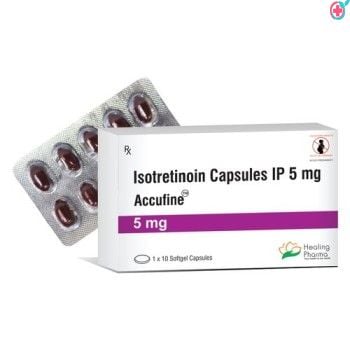
- Generic: IsotretinoinTrade Name: Accutane30 Capsule/s$5.67

The Skin Care category encompasses a wide range of products and practices aimed at maintaining and improving the health and appearance of the skin. Here's a general description of the Skin Care category:
Description:
Skin Care involves a diverse array of products, routines, and treatments designed to promote the overall health, hydration, and youthful appearance of the skin. It is a holistic approach that addresses various skin concerns, including dryness, aging, acne, and sensitivity.
Key Elements of Skin Care:
Cleansing:
- The foundation of any skincare routine is cleansing. This involves the removal of dirt, oil, makeup, and impurities from the skin's surface. Cleansers come in various forms, including foaming cleansers, micellar water, and oil-based cleansers.
Moisturizing:
- Moisturizers play a crucial role in maintaining skin hydration. They help replenish the skin's moisture barrier, preventing dryness and promoting a smooth, supple texture. Different moisturizers cater to specific skin types, such as oily, dry, or combination skin.
Sun Protection:
- Sunscreen is an essential component of skin care, providing protection against harmful UV rays. Regular use of sunscreen helps prevent sun damage, premature aging, and reduces the risk of skin cancer.
Anti-Aging Treatments:
- Many skincare products are formulated with anti-aging ingredients such as retinoids, antioxidants, and peptides. These aim to reduce fine lines, wrinkles, and promote collagen production for firmer, more youthful-looking skin.
Exfoliation:
- Exfoliating products, including scrubs and chemical exfoliants, help remove dead skin cells, unclog pores, and promote skin renewal. Regular exfoliation contributes to a smoother complexion.
Serums and Treatments:
- Serums contain concentrated active ingredients that target specific skin concerns. These may include ingredients like hyaluronic acid for hydration, vitamin C for brightening, or niacinamide for skin tone improvement.
Acne Care:
- Products designed to address acne and blemishes may include cleansers, spot treatments, and acne-fighting ingredients like salicylic acid or benzoyl peroxide.
Masks:
- Face masks offer targeted treatments for various skin issues. They can hydrate, soothe, detoxify, or provide a boost of nutrients depending on the formulation.
- Professional Skin Care: In addition to at-home skincare routines, professional skincare treatments such as facials, chemical peels, and laser therapies are available to address specific concerns and enhance overall skin health.
Conclusion:
The Skin Care category encompasses a diverse range of products and practices, empowering individuals to tailor their routines to address unique skin needs and achieve healthy, radiant skin. It's important to choose products suitable for individual skin types and concerns and to consult with skincare professionals for personalized guidance.
Common Myths & Facts About Skin Care Medicines
Myth 1: Natural or over-the-counter products are always safer than prescription skin care medicines.
Fact: “Natural” doesn’t always mean effective or safe. Prescription skin care medicines are clinically tested and approved to treat specific conditions. Some natural products can irritate sensitive skin or interact with other treatments.
Myth 2: Skin medicines will work instantly if they’re strong enough.
Fact: Most dermatological treatments, especially for acne, eczema, or pigmentation, take weeks to show results. Consistent and correct use, as directed by a healthcare provider, is essential for best outcomes.
Myth 3: You should stop treatment once your skin looks better.
Fact: Stopping medication too early can lead to relapse or worsening of the condition. Many treatments need to be continued for the full prescribed course to ensure lasting improvement.
Myth 4: Stronger treatment always means better results.
Fact: Using stronger medicines than necessary can cause irritation, redness, or thinning of the skin. The most effective treatment is the right treatment — tailored to your diagnosis and skin type.

