
Pregabalin (Generic for Lyrica)
- Generic: PregabalinTrade Name: Lyrica30 Capsule/s$11.01
- Generic: PregabalinTrade Name: Lyrica30 Capsule/s$11.01
- Generic: Pregabalin + NortriptylineTrade Name: Lyrica30 Tablet/s$15.75
- Generic: Pregabalin,NortriptylineTrade Name: Lyrica30 Tablet/s$19.80

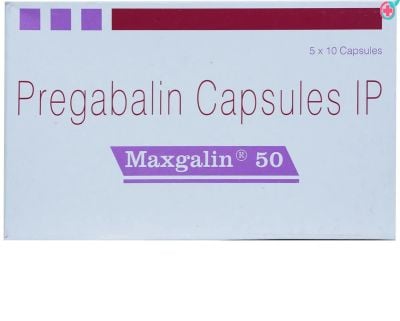

Discover Relief with Affordable Pregabalin (Lyrica Generic) – What It Is, How It Works, Uses & Safety
Pregabalin is a prescription medication widely used to manage several neurological and pain-related conditions. It belongs to a class of drugs known as gabapentinoids, which interact with nervous system processes to help reduce certain types of nerve signals.
This page provides a clear, medically grounded overview of pregabalin’s uses, mechanism of action, and important safety information.
What is Pregabalin?
Pregabalin is a synthetic compound originally developed to influence abnormal electrical activity and pain signaling in the nervous system. Unlike traditional analgesics (pain relievers) or anti-inflammatory drugs, pregabalin works by binding to a specific site on voltage-gated calcium channels in nerve cells, helping to reduce the release of neurotransmitters involved in pain and seizure activity.
It is available in capsule, tablet, and oral solution forms and is prescribed under medical supervision.
This medicine is especially helpful for people dealing with nerve-related pain, whether from diabetes, shingles (post-herpetic neuralgia), spinal cord injuries, or fibromyalgia. It is also used alongside other treatments for people with partial-onset seizures.
How Does Pregabalin Work?
Pregabalin works by binding to calcium channels in the central nervous system. This action helps regulate abnormal nerve signals, which can reduce pain and seizure activity. It also has calming effects, which is why it’s sometimes used to treat anxiety.
Common Uses of Pregabalin
Pregabalin is primarily prescribed for the following medical conditions:
1. Neuropathic Pain
Pain resulting from nerve damage or dysfunction, which may occur in conditions such as:
- Diabetic peripheral neuropathy
- Postherpetic neuralgia (pain after shingles)
- Nerve injuries
2. Fibromyalgia
A chronic condition characterized by widespread musculoskeletal pain, fatigue, and sleep disturbances. Pregabalin may help reduce pain intensity and improve quality of life.
3. Seizure Disorders
Pregabalin is indicated as an adjunctive therapy in certain types of epilepsy, helping to control partial-onset seizures when used alongside other antiepileptic medications.
What the Evidence Shows
Clinical studies have demonstrated pregabalin’s effectiveness across multiple conditions:
Neuropathic pain: Pregabalin has been shown to reduce pain severity and improve sleep related to nerve pain.
Fibromyalgia: Many clinical trials support its ability to decrease pain and overall symptom burden.
Partial-onset seizures: Studies indicate that pregabalin can reduce seizure frequency when used as adjunctive therapy.
The exact benefits vary among individuals, and healthcare providers assess therapeutic response over time.
Benefits of Pregabalin
- Effective in relieving nerve pain
- Reduces the frequency of seizures
- Can improve sleep and reduce anxiety
- Used to treat fibromyalgia pain and fatigue
- Available in affordable generic options (Pregabalin vs. Lyrica)
Pregabalin Side Effects
As with all medications, Pregabalin may cause side effects in some individuals. Most side effects are mild and temporary, but it’s important to be aware of them.
Common Side Effects:
- Drowsiness or dizziness
- Dry mouth
- Swelling in hands or feet
- Weight gain
- Blurred vision
- Difficulty concentrating
Serious Side Effects (Rare):
- Allergic reactions (rash, itching, swelling)
- Mood changes or depression
- Muscle pain or weakness
- Breathing problems
If you experience severe or unusual symptoms, contact your doctor immediately.
Safety Considerations and Precautions
Kidney Function
Pregabalin is primarily eliminated through the kidneys. Individuals with impaired renal function require dose adjustments to reduce the risk of accumulation and side effects.
Central Nervous System Effects
Because pregabalin can cause dizziness and drowsiness, caution is advised when driving or operating machinery until individual's response is known.
Drug Interactions
Pregabalin may interact with other central nervous system depressants, including certain sedatives or alcohol, leading to enhanced sedative effects.
Withdrawal Symptoms
Abrupt discontinuation may lead to withdrawal symptoms such as anxiety, insomnia, nausea, pain, or sweating. A healthcare provider should guide dose reduction if discontinuation is needed.
Differences from Other Pain and Seizure Medications
Pregabalin differs from traditional pain relievers (e.g., NSAIDs) and many antiepileptic drugs in its mechanism:
- It targets nerve signaling, rather than inflammation.
- It modulates neurotransmitter release through calcium channel binding.
- It is often better tolerated than older antiepileptics in certain patients.
Despite these differences, treatment decisions should consider individualized medical assessment.
Pregabalin Interactions
Pregabalin may interact with:
- Other CNS depressants (e.g., opioids, alcohol, sedatives)
- Antidepressants or antipsychotics
- Certain diabetes medications
These combinations can increase drowsiness, dizziness, or the risk of side effects. Always inform your doctor about all medications and supplements you're taking.
Summary
- Pregabalin is a gabapentinoid medication used to manage neuropathic pain, fibromyalgia, and certain seizure disorders.
- It works by reducing abnormal nerve signaling.
- Clinical evidence supports its effectiveness for multiple conditions.
- Safety considerations include potential side effects, interactions, and dosage adjustments for renal function.
FAQs
Q1: Where can I buy Pregabalin (Generic for Lyrica) medicine online?
A1: You can buy Pregabalin (Generic for Lyrica) medicine online from trusted pharmacies like OnlineGenericMedicine.com, which offer genuine and affordable generic versions with home delivery.
Q2: Is Pregabalin (Generic for Lyrica) medication available without a prescription?
A2: Pregabalin (Generic for Lyrica) is a prescription medication. You should consult a licensed healthcare provider before using it to ensure safety and correct dosage.
Q3: Is generic Pregabalin (Generic for Lyrica) as effective as the brand-name version?
A3: Yes, generic Pregabalin (Generic for Lyrica) contains the same active ingredients, strength, and effectiveness as the brand-name drug, but is usually more affordable.
Q4: How should I take Pregabalin (Generic for Lyrica) medication?
A4: Always follow your doctor’s instructions for dosage and usage. Do not change the dose or stop the medication without medical advice.
Q5: What are the common side effects of Pregabalin (Generic for Lyrica)?
A5: Common side effects may include drowsiness or dizziness, Dry mouth, and difficulty concentrating. Contact your doctor if any symptoms persist or worsen.
Q6: Can I use Pregabalin (Generic for Lyrica) medicine if I'm pregnant or breastfeeding?
A6: Some medications may not be safe during pregnancy or breastfeeding. Consult your doctor before starting Pregabalin (Generic for Lyrica) in such cases.
Q7: How do I store Pregabalin (Generic for Lyrica) medication?
A7: Store Pregabalin (Generic for Lyrica) in a cool, dry place away from direct sunlight and out of reach of children. Always check the packaging for specific storage instructions.
Q8: What should I do if I miss a dose of Pregabalin (Generic for Lyrica)?
A8: Take the missed dose as soon as you remember. If it’s almost time for your next dose, skip the missed one. Do not double the dose to catch up.
Q9: How long should I take pregabalin for nerve pain?
A9: The duration of pregabalin treatment for nerve pain varies, but it is typically taken as long as symptoms persist under a doctor’s guidance, with regular evaluation to assess effectiveness and side effects.

