
Clonidine HCl (Generic for Catapres)
- Generic: Clonidine HclTrade Name: Catapress1 Bottle$3.30Out of stock
- Generic: Clonidine + HydrochlorothiazideTrade Name: Clorpres30 Tablet/s$2.60

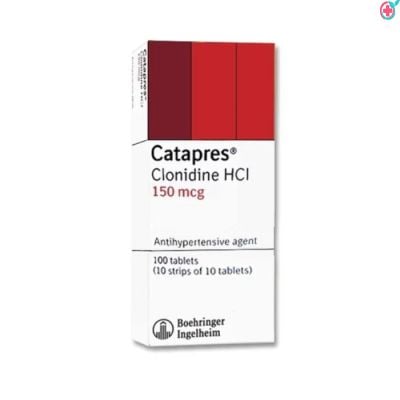

Clonidine HCl (Generic for Catapres) – Uses, How It Works, Safety & FAQs
Clonidine hydrochloride (Clonidine HCl) is a prescription medication most commonly used to help manage high blood pressure (hypertension). It may also be prescribed for other medical conditions such as certain pain disorders, ADHD (attention-deficit/hyperactivity disorder), anxiety symptoms, and withdrawal from opioids or nicotine under specific clinical guidance.
This page provides clear, evidence-based information about what clonidine is, how it works, its approved uses, and important safety considerations.
Catapres is the US brand name (trade name) that contains Clonidine HCl, which is primarily used to treat high blood pressure.
What is Clonidine HCl?
Clonidine HCl is a centrally acting medication that influences the autonomic nervous system, particularly signals from the brain that regulate blood pressure and certain nervous system functions. It is available in tablet form and sometimes as a transdermal (patch) preparation for sustained release.
The “HCl” designation refers to the hydrochloride salt form of clonidine, which allows for reliable absorption and therapeutic activity.
Clonidine HCl (generic for Catapres) is a medication primarily prescribed to treat high blood pressure (hypertension). It belongs to a class of drugs called centrally acting alpha-agonists, which work by relaxing blood vessels and decreasing the heart rate, allowing blood to flow more easily and lowering blood pressure.
Clonidine is also used in treating:
- Anxiety disorders
- Attention-deficit hyperactivity disorder (ADHD) in children and adults
- Withdrawal symptoms from opioids, nicotine, and alcohol
- Menopausal hot flashes and other off-label conditions
The brand name for Clonidine is Catapres, and this generic version offers the same therapeutic benefits at a more accessible price.
How Does Clonidine Work?
Clonidine works by binding to specific receptors (alpha-2 adrenergic receptors) in the brainstem. This action reduces the activity of sympathetic nerve pathways that can increase heart rate and tighten blood vessels. As a result:
The nervous system signals that raise blood pressure are diminished
- Blood vessels relax and widen
- Heart rate may decrease slightly
- Overall blood pressure is reduced
Because it acts on the central nervous system (CNS), clonidine influences reflex responses within the cardiovascular system.
Approved Medical Uses of Clonidine HCl
1. Hypertension (High Blood Pressure)
Clonidine is most commonly prescribed to lower blood pressure, either alone or in combination with other antihypertensive medications. It can be particularly useful when other therapies are insufficient or when blood pressure spikes need to be controlled.
2. ADHD (Attention-Deficit/Hyperactivity Disorder)
In some cases, clonidine may be prescribed as part of a treatment plan for ADHD, particularly when stimulant medications are ineffective or poorly tolerated. It can help reduce impulsivity, improve focus, and support behavioral regulation.
3. Withdrawal Symptoms
Clonidine may be used to help manage certain withdrawal symptoms associated with opioids, nicotine, or alcohol by reducing overactivity in the sympathetic nervous system.
4. Pain and Anxiety
Under clinical supervision, clonidine may be used off-label for certain pain conditions or anxiety symptoms because of its CNS modulatory effects.
How Clonidine Is Administered
Clonidine HCl is typically taken orally, often once or twice daily depending on the condition being treated and the formulation prescribed. The dose and frequency are individualized by a healthcare provider, taking into account factors such as:
- Blood pressure levels
- Response to therapy
- Concomitant medications
- Overall health
- Age and kidney function
Transdermal clonidine patches may be applied once weekly in certain cases to provide consistent drug levels.
What to Expect During Treatment
Clonidine can begin to lower blood pressure within a few hours of the first dose, but full effects may take longer, especially with steady-state dosing or patch use. Dose adjustments are typically made gradually to reduce side effects and achieve optimal control.
For conditions such as ADHD or withdrawal support, clinical improvement is usually assessed over days to weeks.
Clonidine HCl Dosage Information
Dosage will depend on your medical condition, age, and response to treatment. Always follow your doctor’s instructions.
Typical doses include:
- For hypertension: 0.1 mg taken twice daily, with adjustments made as necessary.
- For ADHD (especially in children): Starting dose is usually lower, often 0.05 mg at bedtime, gradually increased.
- For anxiety or withdrawal symptoms: Your healthcare provider will tailor the dose based on your specific needs.
Important: Do not stop taking Clonidine suddenly, as it can cause a rapid rise in blood pressure. Your doctor will guide you on how to taper the dose safely.
Side Effects of Clonidine
Like all medications, Clonidine HCl may cause side effects. Most are mild and go away as your body adjusts to the medicine.
Common Side Effects:
- Drowsiness or fatigue
- Dry mouth
- Constipation
- Dizziness or lightheadedness
- Headache
Serious Side Effects (Seek medical help immediately):
- Slow or irregular heartbeat
- Chest pain
- Difficulty breathing
- Severe rash or itching
- Swelling of the face, tongue, or throat
- Hallucinations or confusion
Always discuss potential side effects with your healthcare provider before starting Clonidine.
Drug Interactions
Clonidine can interact with other medications, including:
- Beta-blockers (like atenolol or metoprolol)
- Sedatives and alcohol (increase drowsiness)
- Antidepressants (may interfere with how Clonidine works)
Make sure to inform your doctor about all medications and supplements you’re currently taking to avoid unwanted interactions.
Who Should Not Take Clonidine?
Avoid using Clonidine HCl if you:
- Are allergic to Clonidine or any of its ingredients
- Have certain heart conditions (like bradycardia or AV block) unless supervised by a physician
- Are pregnant or breastfeeding (consult your doctor for safer alternatives)
Safety Considerations & Precautions
Blood Pressure Monitoring
Because clonidine directly affects blood pressure regulation, regular monitoring is important to ensure the medication is working as intended without causing excessive lowering.
Interactions With Other Medications
Clonidine may interact with other antihypertensive medications, sedatives, antidepressants, and certain pain medicines. A healthcare provider should review all current medications before starting clonidine.
Withdrawal and Abrupt Discontinuation
It’s important not to stop clonidine suddenly, especially if taken for blood pressure control. Abrupt discontinuation can cause rebound hypertension, a rapid increase in blood pressure that may be dangerous. A gradual dose reduction under medical guidance is recommended.
How Clonidine Differs From Other Antihypertensives
Unlike diuretics or ACE inhibitors that work on blood vessels or kidney function, clonidine acts centrally by modulating sympathetic nerve activity from the brain. It can be particularly helpful in situations where nervous system overactivity contributes to blood pressure elevation.
Summary
- Clonidine HCl is a centrally acting medication used primarily for blood pressure control.
- It works by reducing signaling in the nervous system that narrows blood vessels and raises blood pressure.
- It may also be prescribed for ADHD, withdrawal symptoms, and certain off-label indications.
- Regular monitoring and professional guidance are essential for safe and effective use.
Frequently Asked Questions (FAQs)
Q1: Where can I buy Clonidine HCl (Generic for Catapres) medicine online?
You can purchase Clonidine HCl (generic for Catapres) through reputable online trusted pharmacies, ensuring the pharmacy is licensed and the medication is dispensed under medical supervision.
Q2: Is Clonidine HCl (Generic for Catapres) medication available without a prescription?
Clonidine HCl (Generic for Catapres) is a prescription medication. You should consult a licensed healthcare provider before using it to ensure safety and correct dosage.
Q3: Is generic Clonidine HCl (Generic for Catapres) as effective as the brand-name version?
Yes, generic Clonidine HCl (Generic for Catapres) contains the same active ingredients, strength, and effectiveness as the brand-name drug, but is usually more affordable.
Q4: How should I take Clonidine HCl (Generic for Catapres) medication?
Always follow your doctor’s instructions for dosage and usage. Do not change the dose or stop the medication without medical advice.
Q5: What are the common side effects of Clonidine HCl (Generic for Catapres)?
Common side effects may include Drowsiness or fatigue, Dry mouth, Constipation, Dizziness or lightheadedness, Headache, etc. Contact your doctor if any symptoms persist or worsen.
Q6: Can I use Clonidine HCl (Generic for Catapres) medicine if I'm pregnant or breastfeeding?
Some medications may not be safe during pregnancy or breastfeeding. Consult your doctor before starting Clonidine HCl (Generic for Catapres) in such cases.
Q7: How do I store Clonidine HCl (Generic for Catapres) medication?
Store Clonidine HCl (Generic for Catapres) in a cool, dry place away from direct sunlight and out of reach of children. Always check the packaging for specific storage instructions.
Q8: What should I do if I miss a dose of Clonidine HCl (Generic for Catapres)?
Take the missed dose as soon as you remember. If it’s almost time for your next dose, skip the missed one. Do not double the dose to catch up.
Q9. How soon after taking clonidine will I notice an effect?
Clonidine may begin lowering blood pressure within a few hours, but full effects and symptom improvement take time and may require dose adjustments.
Q10. Is it safe to take clonidine long-term?
Clonidine can be used long-term under medical supervision, with regular monitoring for blood pressure and side effects.
Q11. What happens if I stop clonidine suddenly?
Stopping clonidine abruptly can cause rebound hypertension (a rapid rise in blood pressure). A gradual taper overseen by a healthcare provider is recommended.
Q12. Can clonidine be used for anxiety or sleep?
While clonidine may help reduce sympathetic nervous system activity and anxiety symptoms, it should only be used for these reasons under medical supervision.
Medical Disclaimer (YMYL Content)
The information on this page is for educational and informational purposes only and does not constitute medical advice, diagnosis, or treatment. Decisions about clonidine use and dosage should be made in consultation with a licensed healthcare provider based on individual health needs and medical history. Do not start, stop, or change any medication without professional guidance. If you experience severe or concerning symptoms, seek medical attention promptly.

