

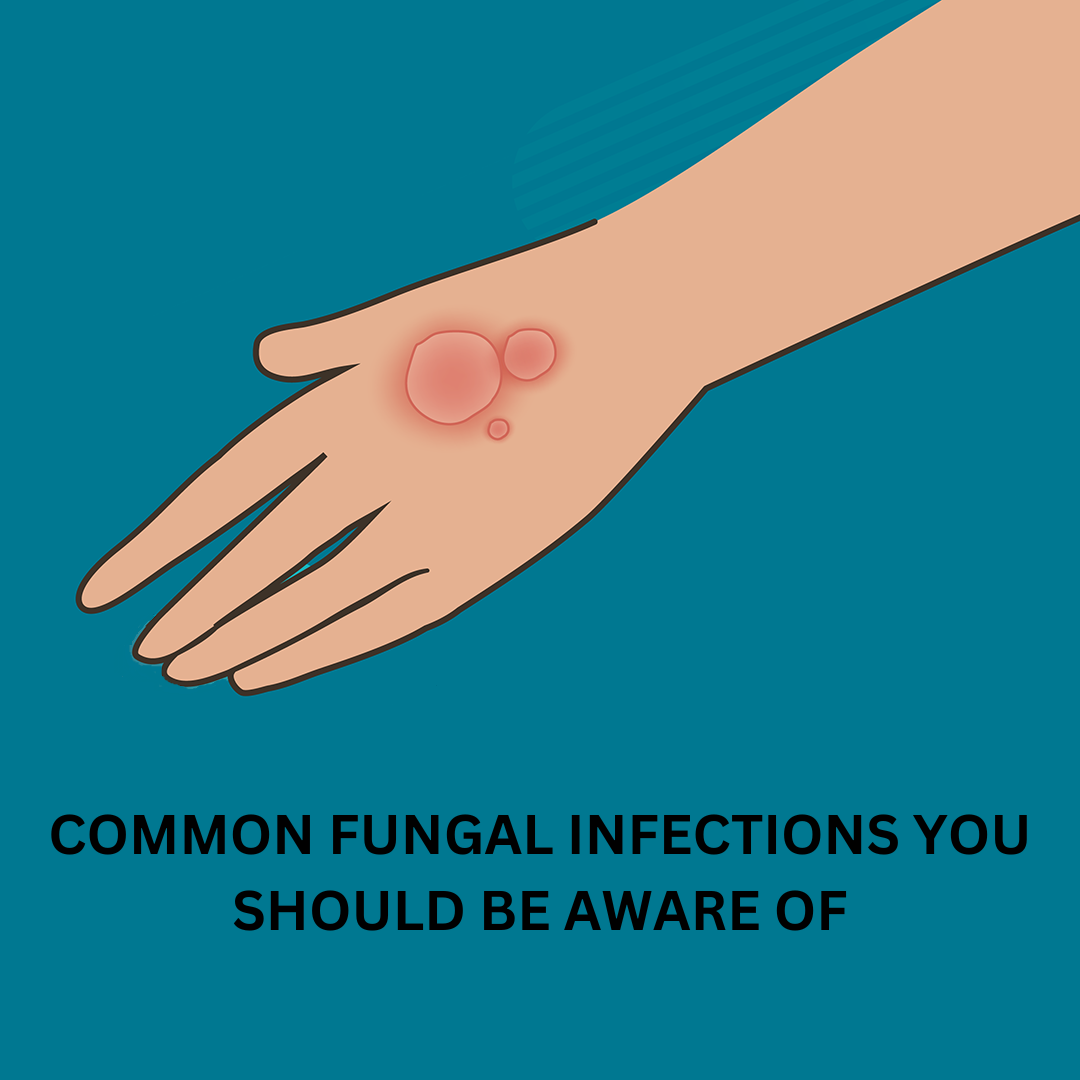
Fungi are an essential yet often misunderstood group of microorganisms that exist all around us — in the environment, on everyday surfaces, and even within the human body. By 2025, medical research has provided us with a more advanced understanding of fungi, highlighting that not all fungi are harmful. Some live symbiotically within us, contributing to healthy bodily functions. However, when harmful fungi invade the body, they can overpower the immune system and lead to uncomfortable, sometimes serious, fungal infections.
Recognizing and managing fungal infections early is key to preventing complications. At Online Generic Medicine, we are committed to making high-quality, affordable antifungal treatments easily accessible to everyone, ensuring that no one has to delay care due to cost or availability.
What Are Fungal Infections?
Fungal infections occur when pathogenic fungi multiply on the skin, nails, or inside the body, disrupting natural balance and causing visible symptoms. The severity and symptoms depend on the type of fungus and the area affected. While some fungal infections are minor and easily treatable, others can spread quickly or become chronic without timely intervention.
If you experience symptoms of a fungal infection, it’s crucial to consult a dermatologist promptly. Early diagnosis and treatment can prevent the infection from spreading and minimize discomfort.
Here are some of the most common types of fungal infections you should be aware of:
Common Types of Fungal Infections
1. Ringworm (Tinea Corporis)
Ringworm is a highly contagious skin infection caused by a fungus, not an actual worm. It presents as red, circular, scaly rashes that may itch or burn. The infection can spread via direct skin contact or contaminated surfaces. With proper antifungal creams, often available online through trusted sources like Online Generic Medicine, ringworm is manageable and typically resolves within a few weeks.
2. Nail Fungal Infection (Onychomycosis)
This infection affects the toenails or fingernails, causing them to thicken, become discolored, brittle, and sometimes detach from the nail bed. Nail fungal infections develop slowly and can be stubborn to treat. Topical antifungal lacquers or oral medications prescribed by a doctor are typically recommended.
3. Athlete’s Foot (Tinea Pedis)
Athlete’s foot is a common fungal infection that thrives in warm, moist environments like locker rooms and public showers. Symptoms include intense itching, cracked or peeling skin between the toes, and blisters. Left untreated, it can spread to the nails or hands. Antifungal powders, sprays, or creams are effective in managing this condition.
4. Tinea Versicolor
More common in teenagers and individuals with oily skin, tinea versicolor presents as discolored patches on the skin, often lighter or darker than the surrounding area. The condition is caused by yeast that naturally lives on the skin but grows out of control under humid or oily conditions. Antifungal shampoos, lotions, or oral medications can help restore skin balance.
5. Jock Itch (Tinea Cruris)
Jock itch is a fungal infection that affects the groin, inner thighs, and buttocks. It thrives in sweaty, confined areas and typically causes a red, ring-shaped rash accompanied by severe itching, chafing, and discomfort. Over-the-counter antifungal creams can often resolve the infection, but severe cases may require prescription-strength medication.
Prevention: How to Reduce the Risk of Fungal Infections
While fungal infections are common, many of them are preventable with good hygiene and a few mindful practices:
- Avoid Walking Barefoot in Public Showers: Always wear flip-flops or water shoes in communal areas like gym showers, swimming pools, or locker rooms.
- Keep Feet Dry and Clean: Moisture promotes fungal growth. Change socks daily, avoid wearing damp shoes, and choose breathable footwear.
- Opt for Loose, Breathable Clothing: Tight, non-breathable clothing can trap sweat and create an ideal environment for fungi to thrive.
- Practice Proper Skin Care in Hot, Humid Weather: In tropical climates, use antifungal powders and regularly wash affected areas to minimize fungal growth.
- Avoid Sharing Personal Items: Towels, socks, nail clippers, and shoes can transfer fungal spores from one person to another.
When to Seek Medical Help
If you notice persistent rashes, itching, nail discoloration, or skin peeling that does not improve with basic hygiene, consult a dermatologist immediately. Early medical attention can prevent the infection from worsening and spreading to others.
For reliable, affordable antifungal medications, Online Generic Medicine offers a curated selection of products sourced exclusively from US-FDA and WHO-GMP inspected manufacturers. We also ensure secure transactions, discreet packaging, and fast delivery for your privacy and convenience.
Why Choose Online Generic Medicine?
- Authentic, Quality-Assured Medicines
- Competitive Pricing with Seasonal Discounts
- Confidential and Secure Delivery
- Wide Range of Antifungal and Lifestyle Medicines
If you have a prescription, place your order today to take advantage of our limited-time offers and start your treatment with confidence.
Ready to prioritize your skin and nail health?
Visit Online Generic Medicine now and explore antifungal solutions trusted by thousands.
Frequently Asked Questions (FAQs)
1. How can I tell if I have a fungal infection?
Fungal infections often present with symptoms like itching, redness, scaling, rashes, skin peeling, nail discoloration, and sometimes a foul odor. If you notice any of these signs that do not improve within a few days, consult a dermatologist for proper diagnosis and treatment.
2. Are fungal infections contagious?
Yes, many fungal infections like ringworm, athlete’s foot, and jock itch are contagious and can spread through direct skin contact or by sharing personal items like towels, shoes, or nail clippers. Practicing good hygiene is essential to prevent transmission.
3. Can I treat a fungal infection at home?
Mild fungal infections can often be treated with over-the-counter antifungal creams, powders, or sprays. However, if the infection persists, worsens, or spreads, you should see a doctor for stronger prescription medication.
4. How long does it take for a fungal infection to heal?
The healing time varies depending on the type and severity of the infection. Minor skin infections may clear up within 1-2 weeks with proper treatment, while nail fungal infections can take several months to fully resolve.
5. Is it safe to buy antifungal medicine online?
Yes, it is safe if you purchase from reputable online pharmacies like Online Generic Medicine that source their products from US-FDA and WHO-GMP approved facilities. Always ensure the website offers secure payments and provides proper packaging for confidentiality.