

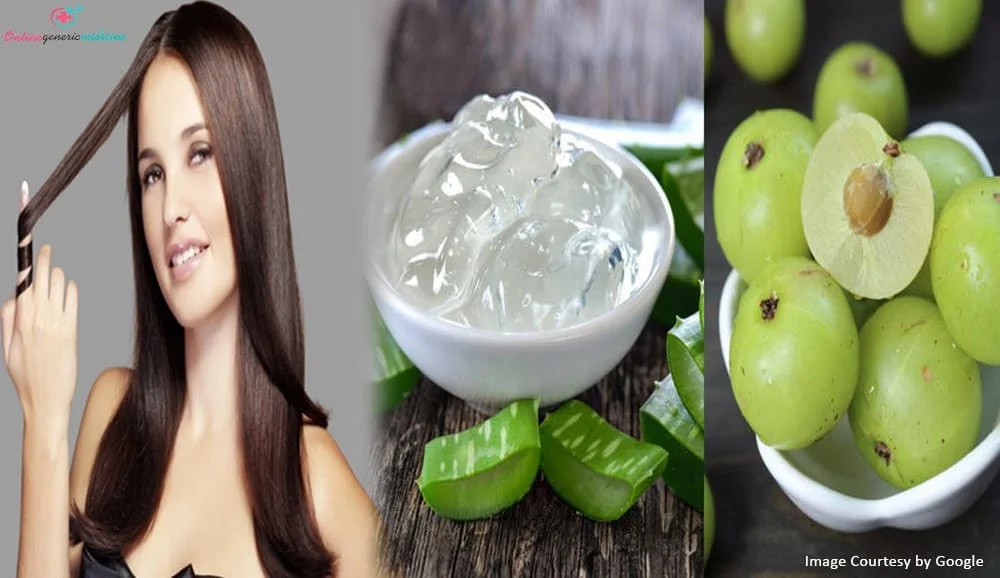
When it comes to growing stronger, shinier, and healthier hair, nature has gifted us with powerful botanical solutions—two of the most revered being aloe vera and amla. Both have been used in traditional beauty practices for centuries, praised for their unique benefits to the scalp and hair. But if you’re wondering which one truly reigns supreme in the quest for hair growth, let’s explore a head-to-head comparison.
Aloe Vera: The Ultimate Moisturizer for Hair
Aloe vera is often celebrated for its soothing and hydrating properties. Extracted from the fleshy leaves of the aloe plant, the gel contains a blend of water, enzymes, vitamins, and minerals that nourish the scalp and hair.
Key Benefits of Aloe Vera for Hair:
- Deep Hydration: Aloe vera gel penetrates the hair shaft to deliver intense moisture, making it ideal for dry, brittle, or dull hair.
- Scalp Relief: Its anti-inflammatory compounds can ease itching, redness, and flakiness caused by scalp irritation or dryness.
- Breakage Control: By strengthening hair strands and sealing moisture, it reduces split ends and prevents breakage, leading to improved hair texture.
Perfect for: People with dry scalp, frizzy hair, or environmental scalp irritation.
Amla: The Ancient Superfood for Hair Strength
Amla, or Indian gooseberry, is a small fruit loaded with antioxidants and a massive dose of Vitamin C—both of which play a vital role in boosting hair health from within.
Key Benefits of Amla for Hair:
- Promotes Hair Growth: The nutrient-rich profile of amla boosts circulation to the scalp and nourishes follicles, encouraging thicker and faster hair growth.
- Strengthens Roots: Amla strengthens hair at the root, reducing hair fall and breakage caused by weak follicles.
- Fights Scalp Conditions: Thanks to its antifungal and antibacterial properties, amla is especially helpful in combating dandruff and scalp inflammation.
Perfect for: Those facing hair thinning, hair fall, or recurring scalp infections.
Aloe Vera vs. Amla: Which Should You Choose?
Both aloe vera and amla bring distinct advantages, but your choice should depend on your hair’s needs:
| Hair Concern | Go for Aloe Vera | Go for Amla |
|---|---|---|
| Dryness and Frizz | ✔ Deep moisturization | ✘ Not ideal for hydration |
| Hair Breakage | ✔ Adds moisture to prevent split ends | ✔ Strengthens follicles from the root |
| Dandruff and Itchiness | ✔ Calms scalp irritation | ✔ Antifungal and dandruff-fighting |
| Hair Growth | ✘ Mildly supports growth | ✔ Strongly stimulates growth and thickness |
| Scalp Health | ✔ Soothes inflammation | ✔ Detoxifies and maintains healthy pH |
Can You Use Aloe Vera and Amla Together?
Absolutely! These two natural ingredients complement each other beautifully. While aloe vera keeps your scalp calm and your strands hydrated, amla works behind the scenes to strengthen your hair and improve follicle activity. When combined in masks, oils, or treatments, they create a balanced, nutrient-rich environment for optimal hair growth.
Bonus Tip: Pairing with Finasteride for Maximum Results
If you’re dealing with hormonal hair loss, natural remedies alone may not be enough. Finasteride, a medically approved treatment, works by blocking DHT—a hormone linked to hair loss. When paired with topical or dietary use of aloe vera and amla, the result can be a more holistic, powerful strategy for reclaiming hair health.
Final Verdict
So, is aloe vera better, or is amla the superior choice? The answer lies in what your hair needs the most:
- Choose aloe vera if you’re struggling with dryness, irritation, or need a moisture boost.
- Opt for amla if you’re targeting hair thinning, hair fall, or want to fortify the roots and boost growth.
Ultimately, using both together—either in your hair mask, oil blend, or natural rinse—can provide synergistic benefits for hydration, strength, and scalp care.
Let nature do the work. Whether you pick the calming touch of aloe vera or the strengthening power of amla—or better, both—your hair will thank you in shine, thickness, and resilience.
Also Read: Vitamin D and Energy: Why This Sunshine Nutrient Might Be the Key to Fighting Fatigue