

- 🌞 What Exactly Is Vitamin D?
- ⚙️ What Does Vitamin D Actually Do in the Body?
- 🧪 What Does Science Say About Vitamin D and Energy?
- 🩺 Should You Take a Vitamin D Supplement?
- 🧬 How Much Vitamin D Do You Need?
- 💊 Choosing the Right Vitamin D Supplement
- 🧠 Energy and Hormonal Balance Go Hand-in-Hand
- 🧴 Self-Care, Wellness & the Vitamin D Connection
- 🌞 Final Thoughts: Could Vitamin D Be the Energy Booster You Need?
Most of us have heard about vitamin D being essential for bone strength and calcium absorption. But what if this humble vitamin holds the key to unlocking higher energy levels, better immune health, and even improved mood and muscle function?
In recent years, research has broadened our understanding of vitamin D’s role in the body. Far from being just a bone-building nutrient, vitamin D appears to influence nearly every aspect of your physical well-being—particularly your energy and fatigue levels. If you’ve been feeling drained despite getting enough sleep and food, vitamin D deficiency could be to blame.
🌞 What Exactly Is Vitamin D?
Vitamin D is a fat-soluble vitamin that your body can produce when your skin is exposed to sunlight, specifically UVB rays. It’s also found in a handful of foods like:
- Oily fish (e.g., salmon, mackerel)
- Egg yolks
- Fortified milk and cereals
- Cheese
- Beef liver
According to the National Institutes of Health (NIH), vitamin D is unique because it functions more like a hormone than a vitamin. Once absorbed, it undergoes two activation steps: first in the liver, where it becomes calcidiol, and then in the kidneys, where it turns into calcitriol, the active form that your body can use.
⚙️ What Does Vitamin D Actually Do in the Body?
Once activated, vitamin D helps regulate several vital functions:
- Enhances calcium absorption for healthy bones and teeth
- Supports immune function to fight off infections
- Reduces inflammation
- Plays a role in glucose metabolism and insulin sensitivity
- Influences muscle function and mitochondrial efficiency (a key to energy production)
This last point is critical—energy production starts at the cellular level, and vitamin D helps keep those internal “power stations” (your mitochondria) running efficiently.
🧪 What Does Science Say About Vitamin D and Energy?
Several studies have shown a clear connection between vitamin D deficiency and fatigue:
1. Energy Levels Improve with Supplementation
A study published in Medicine showed that vitamin D supplementation significantly improved energy levels in people with both fatigue and low vitamin D levels—within just four weeks of starting treatment.
2. Muscle Power and Mitochondria
Research in the UK revealed that vitamin D plays a vital role in helping muscles function efficiently. Participants showed improved muscle performance with supplementation, which was linked to enhanced mitochondrial activity. This supports the theory that fatigue can be a direct result of poor cellular energy output due to vitamin D deficiency.
3. Vitamin D and Athletic Performance
Studies involving athletes, such as soccer players, showed that sufficient vitamin D levels are associated with better performance, endurance, and faster recovery. Another study noted improved energy levels in kidney transplant patients, a group known to struggle with persistent fatigue.
4. Chronic Fatigue and Hormonal Health
Low vitamin D has been implicated in conditions like fibromyalgia, chronic fatigue syndrome, and general weakness in pre-menopausal women, especially those with hormonal imbalances.
🩺 Should You Take a Vitamin D Supplement?
If you’re feeling persistently tired, don’t rush to the supplement aisle just yet. Medical professionals suggest getting tested first to check your vitamin D status, along with other potential energy-related deficiencies like:
- Vitamin B12 (especially in vegetarians)
- Iron levels (anemia)
- Thyroid function
“It’s important to identify the underlying cause accurately to ensure appropriate and effective treatment,” says Dr. Elizabeth Sharp, a New York-based internist.
If your tests reveal a deficiency, then supplementation could indeed be transformative.
🧬 How Much Vitamin D Do You Need?
Most adults require 600–800 IU daily, but your needs may vary depending on sun exposure, skin tone, age, and medical history. People with darker skin or those living in northern climates are often more prone to deficiency.
Unfortunately, diet alone rarely provides enough. A Harvard Health publication notes that “it’s very hard to get the vitamin D you need from your diet alone.” In fact, a National Health and Nutrition Examination Survey (2013–2016) found:
- 92% of men and
- 97% of women
…did not meet daily vitamin D requirements through food and beverages alone.
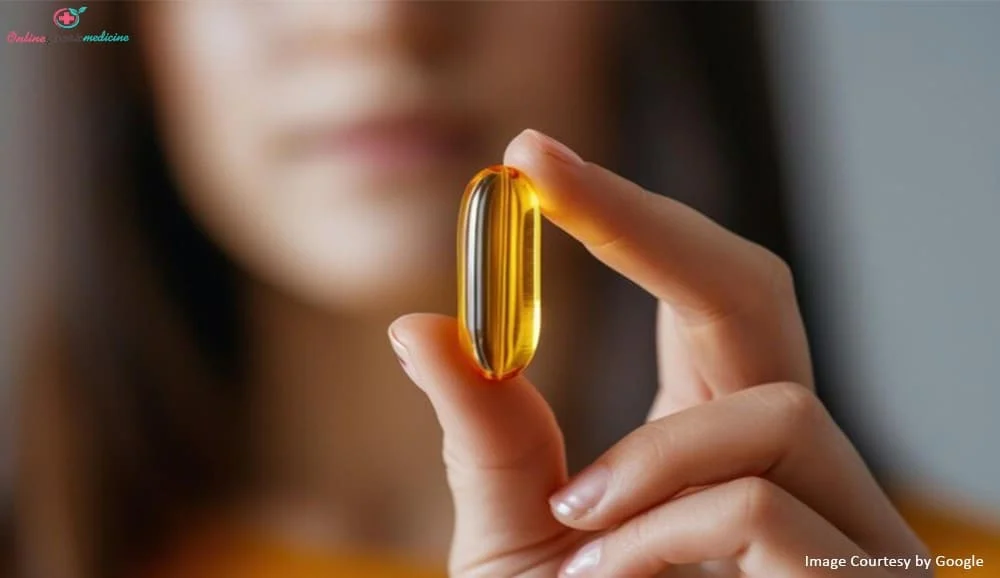
This makes supplements a practical choice for most people.
💊 Choosing the Right Vitamin D Supplement
When choosing a vitamin D supplement, quality matters. As with any over-the-counter product, not all supplements are created equal.
“Be wary of supplements that are far cheaper than the rest,” warns Dr. Jolene Brighten, naturopathic endocrinologist. “They may contain poor-quality ingredients—or not contain what’s listed at all.”
Although the FDA regulates dietary supplements, it doesn’t approve them for safety or effectiveness before they’re sold. Always opt for reputable brands that offer third-party testing.
🧠 Energy and Hormonal Balance Go Hand-in-Hand
It’s also worth noting that hormonal imbalances can cause fatigue and low energy. Medications like cabergoline (Dostinex), used to treat conditions like prolactinomas, and Valtrex (Valacyclovir), used for managing viral infections like cold sores, can play a supporting role in improving energy by addressing underlying health issues.
Feeling your best is a full-spectrum process—vitamin D may be one of the missing links, but it’s not the only factor.
🧴 Self-Care, Wellness & the Vitamin D Connection
Maintaining optimal vitamin D levels is just one part of a larger wellness routine. Taking care of yourself with products like Careprost (Bimatoprost) for eye and lash health may seem unrelated, but small self-care actions often boost confidence, motivation, and overall health.
🌞 Final Thoughts: Could Vitamin D Be the Energy Booster You Need?
From promoting healthy bones to helping your mitochondria generate more energy, vitamin D is more than just a “sunshine vitamin.” For those suffering from unexplained fatigue, muscle weakness, or frequent illness, checking your vitamin D levels could be the first step toward reclaiming your energy.
If you’re ready to take charge of your health, consult your doctor and consider exploring high-quality, affordable supplements and wellness products at
👉 Buy online suppliments and vitamins at Online Generic Medicine – Trusted Online Pharmacy Store
Feeling tired doesn’t have to be your new normal—sometimes the sunshine you need is just a supplement away.